Desert Stalker
Play Desert Stalker
Desert Stalker Screenshots


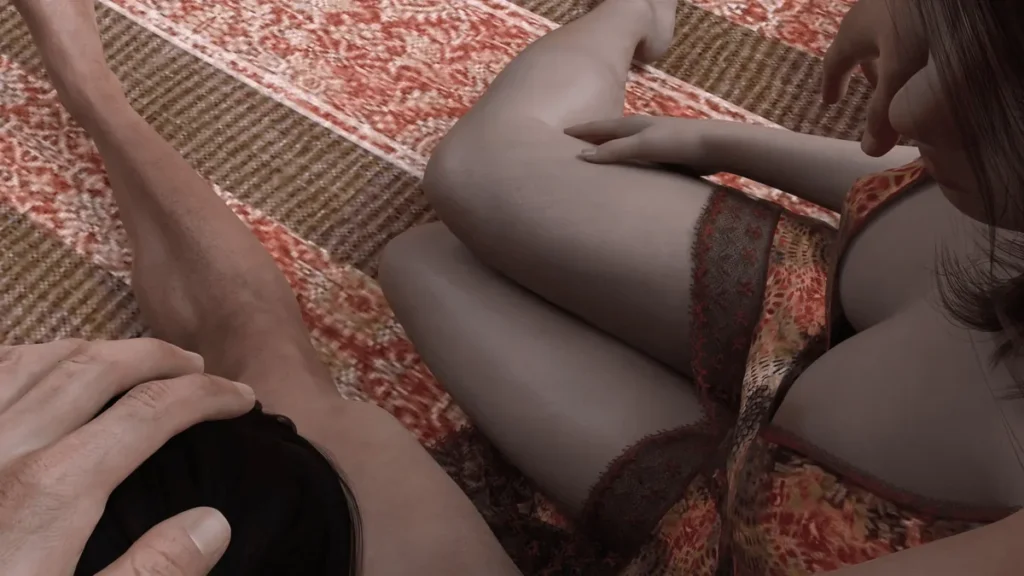
Desert Stalker review
Explore Ruins, Forge Alliances, and Shape Your Destiny in This Gripping Visual Novel
Imagine scavenging the sun-baked ruins of post-apocalyptic Egypt as the Desert Stalker, unearthing artifacts that grant god-like power. Do you dominate the wasteland or become its savior? This adult visual novel hooks you with gritty storytelling, erotic encounters, and choices that ripple through every relationship and quest. I’ve sunk hours into Desert Stalker, torn between tyranny and mercy, and it always leaves me craving the next update. Whether you’re hunting rare relics or building a harem, this game delivers immersion like no other. Dive in and see how your decisions rewrite the desert’s fate.
What Makes Desert Stalker a Must-Play Visual Novel?
I still remember the first time I booted up Desert Stalker. I was just looking for something different, a story that wasn’t set in the usual crumbling American city or European forest. What I found was a world that completely swallowed me whole. One minute I was at my desk, the next I was sweating under a digital sun, staring at the silhouette of a pyramid against a radioactive haze, wondering what ancient secrets—or horrors—lay inside. That’s the immediate hook of this post-apocalyptic Egypt game; it’s a setting that feels utterly fresh and steeped in a haunting, ancient atmosphere. You’re not just surviving; you’re exploring the graves of civilizations long dead, and the weight of that history is everywhere 🏜️.
This Desert Stalker visual novel masters the art of immersion from the first scene. The sound design hits you first—the howl of a sandy wind, the creak of your leather gear, the distant cry of something not quite human. It’s a world where Desert Stalker artifacts from the “Old World” hold untold power, and finding one can shift the balance of your entire journey. You’ll navigate between precarious settlements, bargain with shady traders, and venture into ruins where the architecture tells a story millennia old, now scarred by a more recent apocalypse. This isn’t just a backdrop; it’s a character in itself.
How Does the Post-Apocalyptic Egypt Setting Pull You In?
Forget generic wastelands. The genius of this adult visual novel wasteland is its specific, evocative location. Egypt’s iconic landscapes—the dunes, the Nile delta (now a trickle), the monumental ruins—are reimagined through a lens of decay and danger. You’ll encounter factions vying for control of oases, mutants adapted to the harsh desert, and mysteries buried in sand-blown tombs.
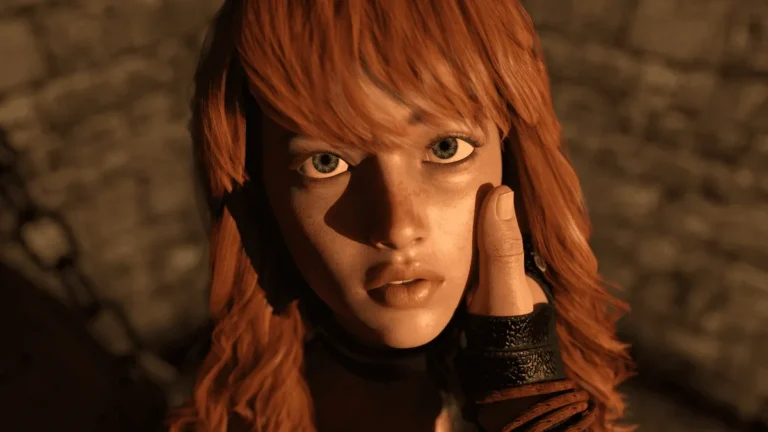
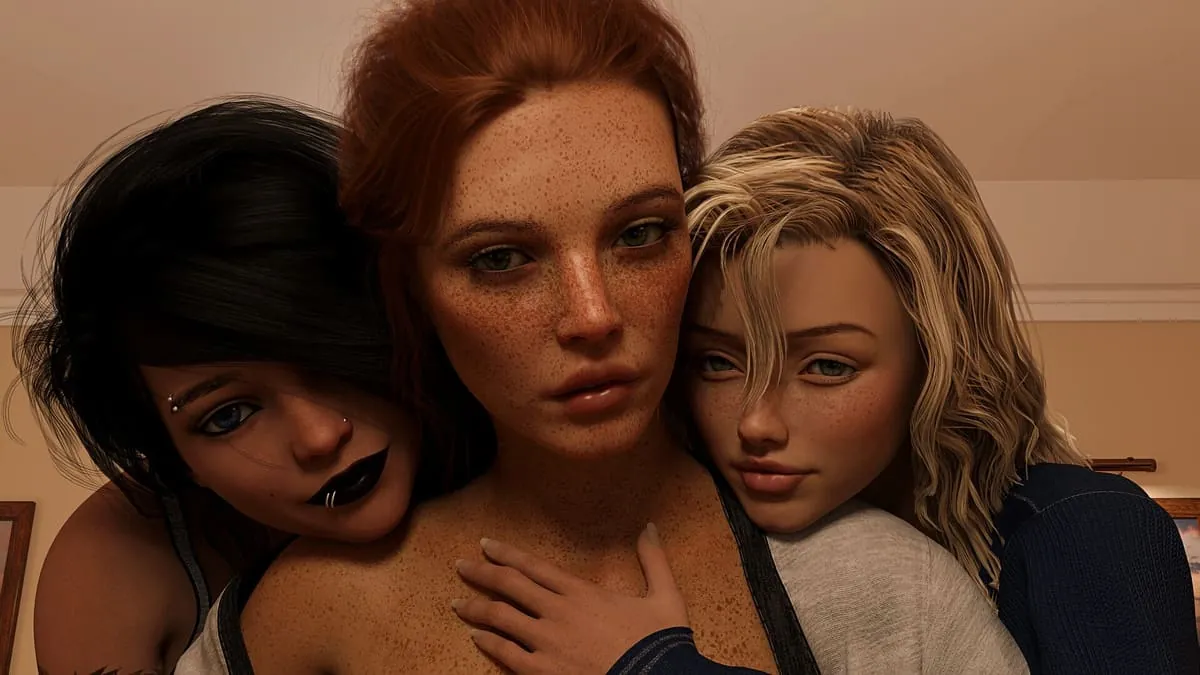
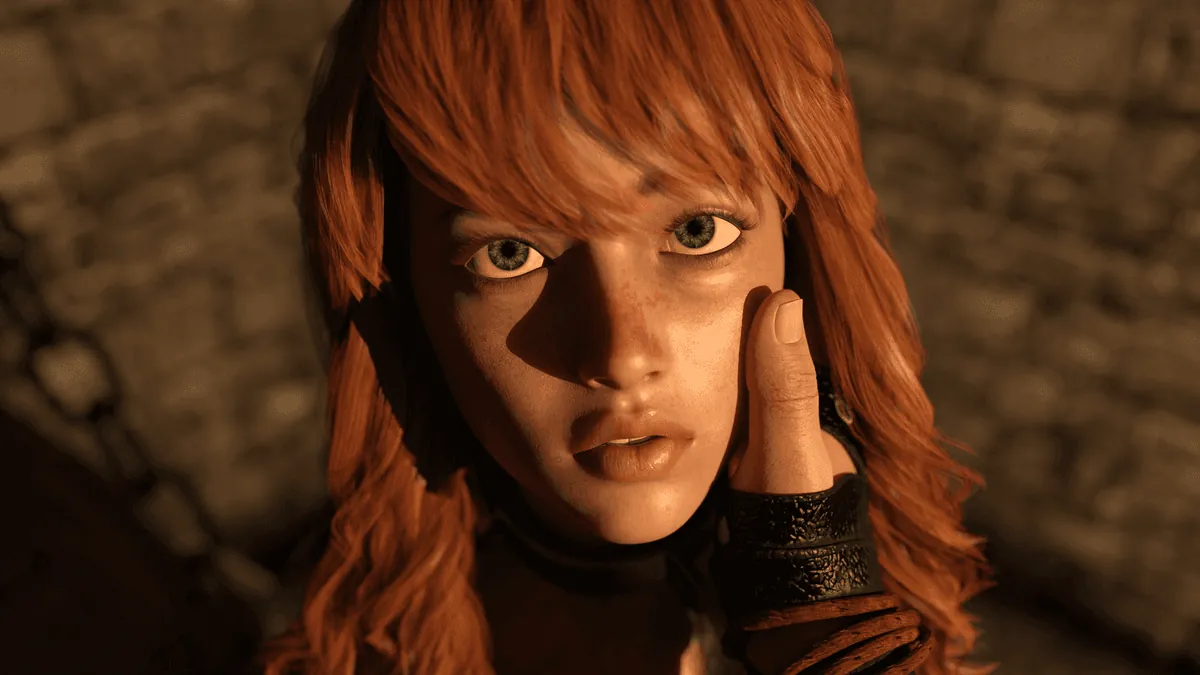
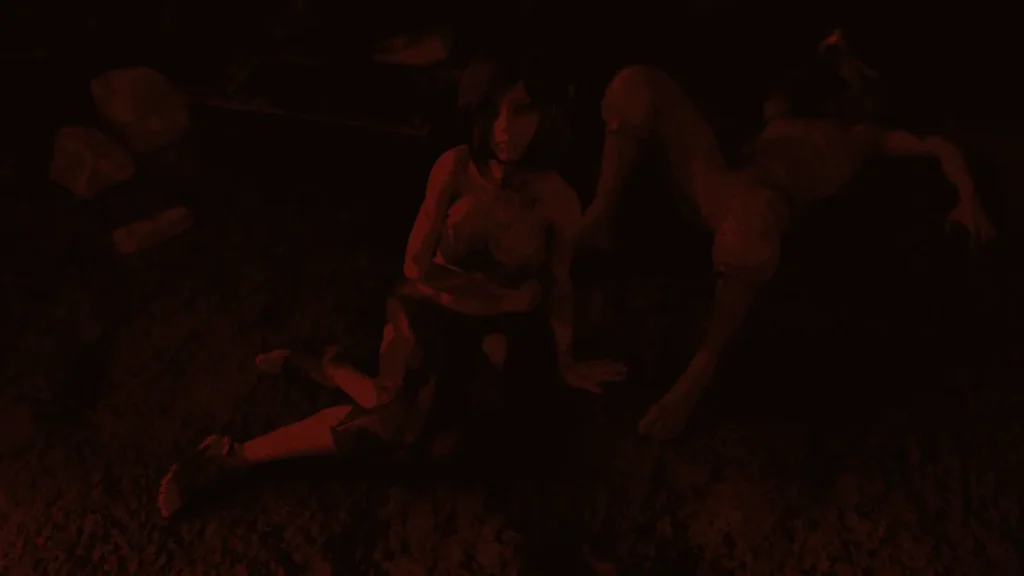
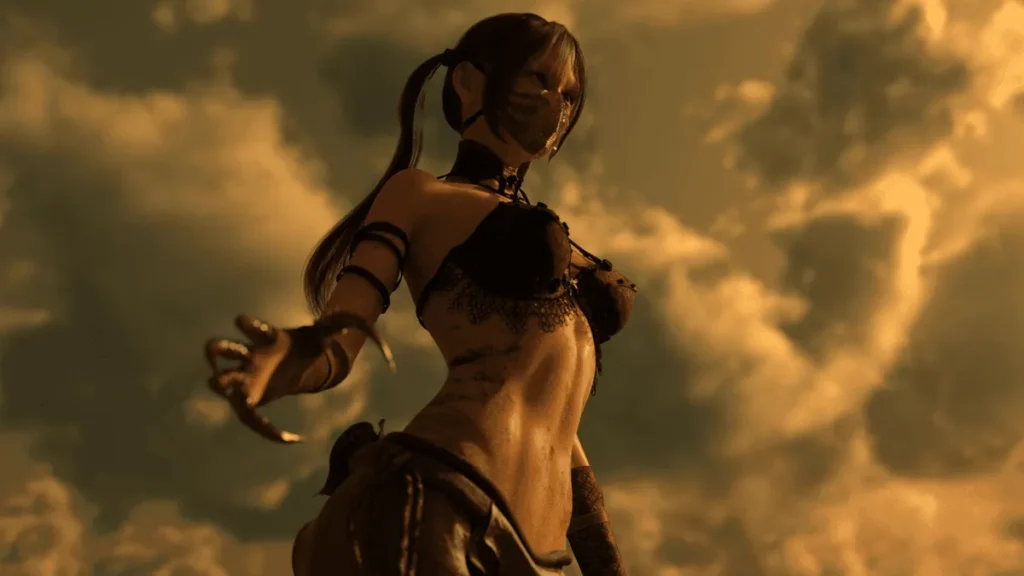
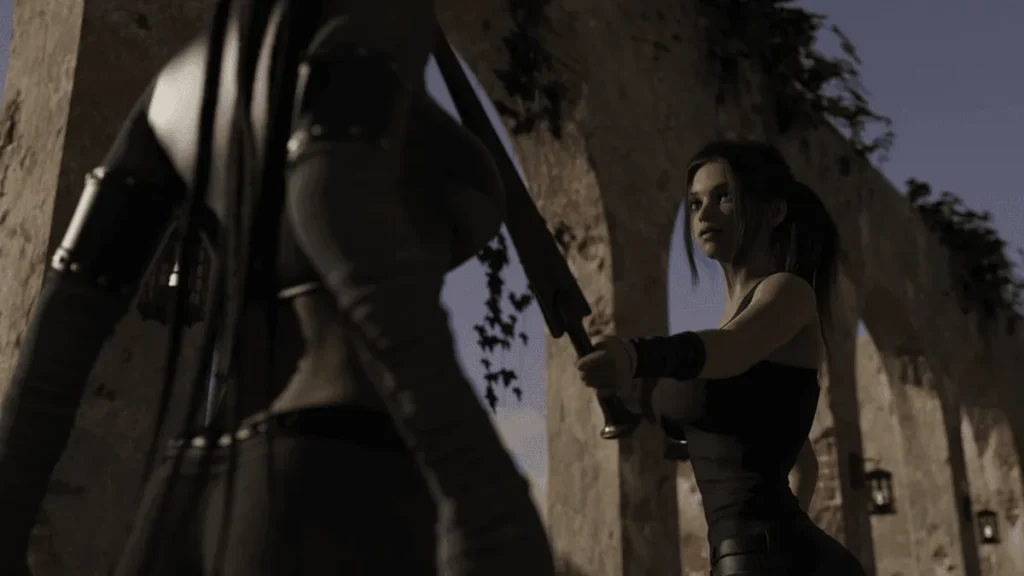
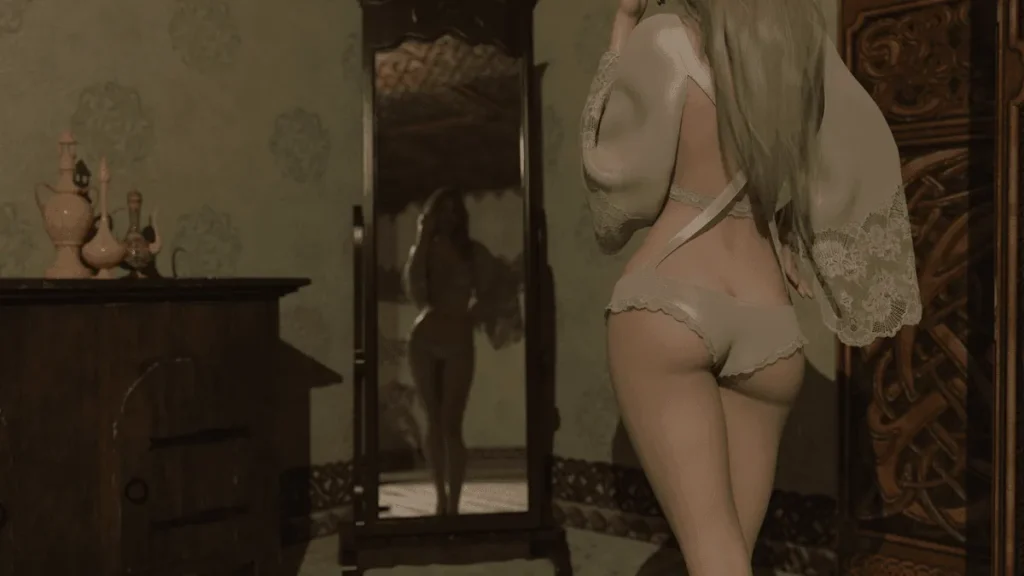
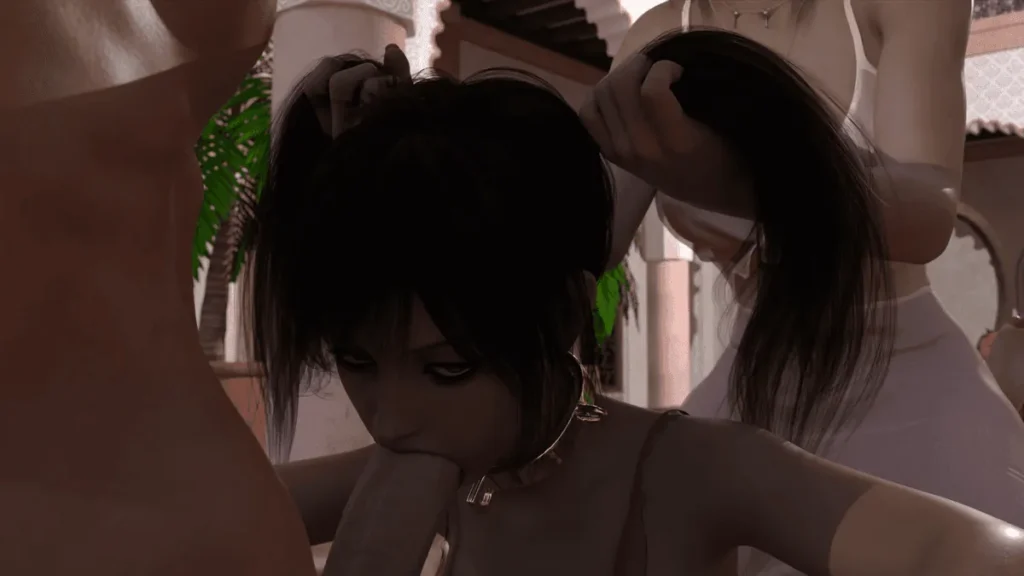
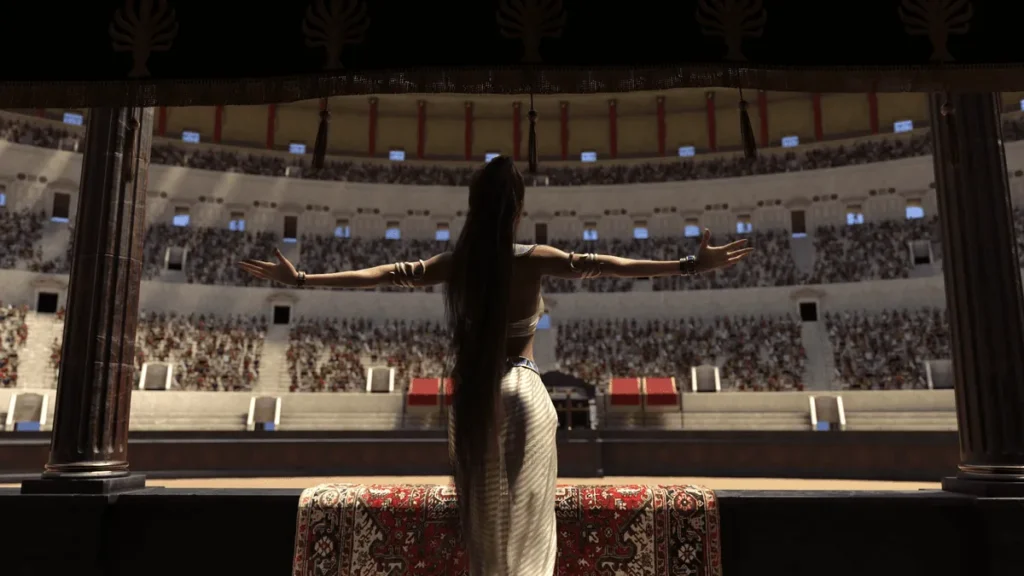
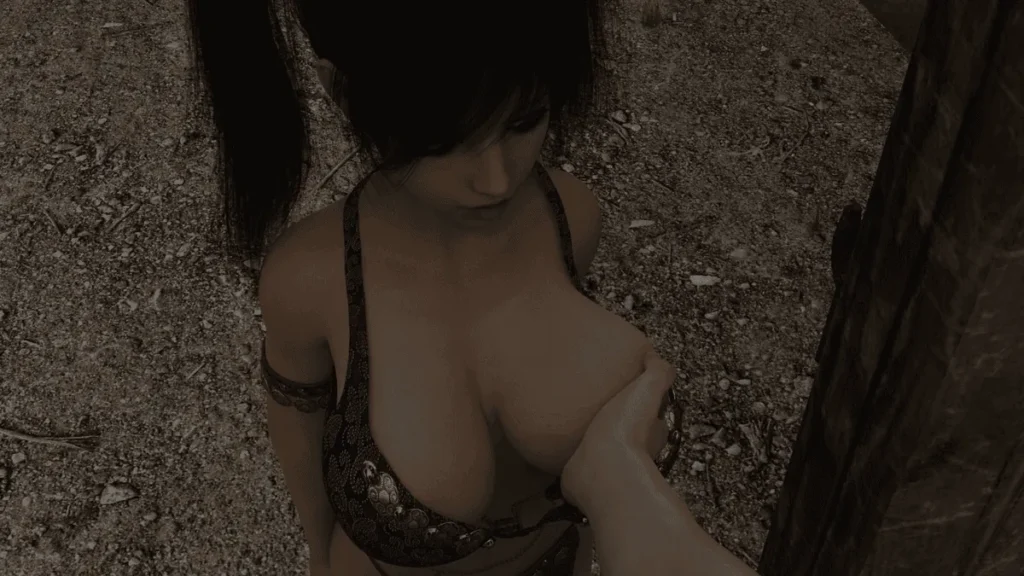
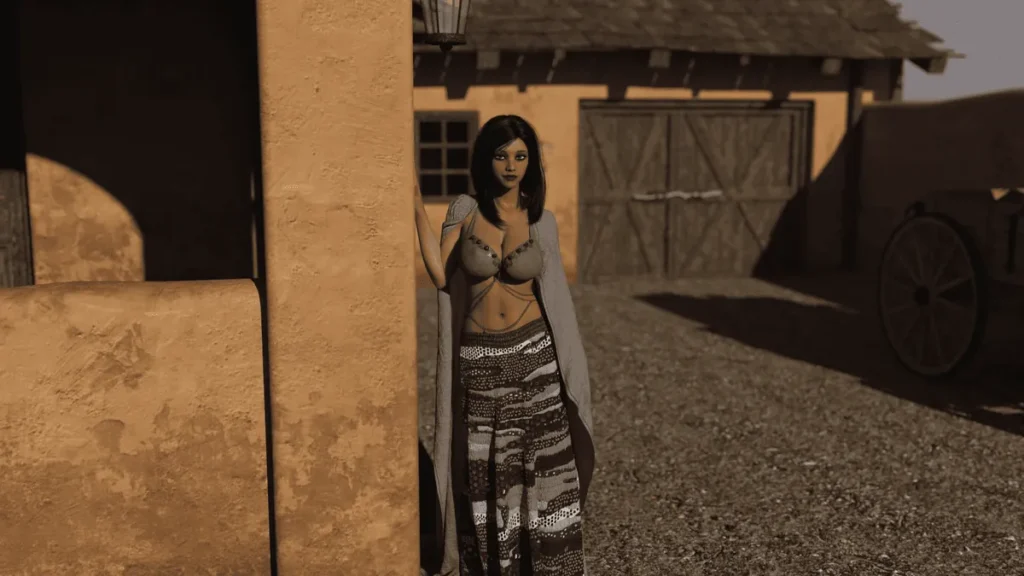
The visual presentation, built with Daz3D, is stunning. Character models are detailed and expressive, and the environments are painstakingly crafted to feel both majestic and desolate. When a cinematic sequence plays, showing your character overlooking a canyon city or facing down a beast in a buried temple, the game earns its “visual” title. It’s a post-apocalyptic Egypt game that understands the power of its setting to tell a story without words.
Why Do Player Choices Define Your Desert Stalker Journey?
This is where the heart of Desert Stalker truly beats. Every conversation, every conflict, and every discovery presents you with Desert Stalker choices that genuinely matter. The game doesn’t just offer “good” or “evil” buttons. It asks nuanced questions about survival, morality, and leadership. Will you be a ruthless tyrant, taking what you need by force to ensure your own power? Or will you strive to be a savior, protecting the weak and trying to build something better, even if it’s harder?
These decisions ripple outwards, changing how characters perceive you, opening or locking entire story branches, and determining who will stand with you—or against you—when the stakes are highest. I recall a tense moment early on, cornered by a gang demanding a share of my water. I could fight, potentially gaining respect through fear. I could negotiate, risking a future betrayal. Or I could share freely, building a fragile trust. My choice that day led to an ally who saved my life hours later in a ruin. That’s the power you hold.
To help visualize the paths, here’s a look at two core approaches:
| Aspect | The Tyrant Path | The Savior Path |
|---|---|---|
| Approach | Demand respect through fear and strength. Take resources, eliminate competition. | Earn respect through aid and diplomacy. Share resources, build communities. |
| Relationships | Based on power dynamics and fear. Loyalty is enforced, not given. | Built on trust and mutual benefit. Deeper, more personal connections are possible. |
| Quests | More intimidation & elimination missions. Access to underworld contacts. | More rescue & aid missions. Support from settlement leaders. |
| Outcomes | Easier short-term gains, but creates powerful enemies. A lonelier, harder endgame. | Slower progress, but creates a network of allies. A more supported, communal endgame. |
What Are the Standout Features for Immersive Gameplay?
Desert Stalker brilliantly blends a linear, cinematic story with moments of free-roam exploration. You’re not just clicking through dialogue. Between major plot beats, you can often explore your home base or specific zones, talking to everyone, taking on side quests, and hunting for those valuable Desert Stalker artifacts. This freedom makes the world feel alive and responsive to your curiosity.
As an adult visual novel wasteland, it also offers mature themes and content that fit its harsh setting. Thankfully, it includes comprehensive content filters, allowing you to tailor the experience to your comfort level. For those who engage with it, the relationship-building—including optional, more intimate “harem” scenes—serves as a vital counterpoint to the brutality outside. These moments of connection and relaxation are not just titillation; they’re about humanity persevering and finding solace, making the stakes of your journey feel more personal.
So, how to play Desert Stalker for the best experience? My biggest piece of advice is to role-play authentically. Don’t try to meta-game or pick choices you think are “correct.” Decide who your character is and stick to it. Want a gritty, resource-focused survival tale? Lean into the Tyrant mindset. Want a story about rebuilding and forging bonds? The Savior path awaits. Your first playthrough is always the most powerful when it’s truly yours.
The replayability is immense. Seeing how different Descent Stalker choices unlock alternative scenes, romantic paths, and even entirely different endings is a reward in itself. I’ve seen players share stories of heartbreak, triumph, and shock, proving the game’s emotional depth. This Desert Stalker visual novel isn’t just played; it’s lived.
To get you started on your path, here are my pro tips for new stalkers:
- Save Often and in Multiple Slots: Before any major decision or exploration into new ruins, create a new save. You’ll thank yourself when you want to see how a different choice plays out.
- Talk to Everyone in Free-Roam Sections: Side characters offer crucial world-building, hint at hidden Desert Stalker artifacts, and can unlock valuable side quests that boost your resources.
- Don’t Rush the Main Story: The free-roam segments are where the world breathes. Explore every nook of your base and available zones between chapters.
- Use the Content Filters: They are there for a reason. Customize the adult visual novel wasteland elements to suit your preferred experience without missing the core narrative.
- Embrace the Role-Play: Your first run is special. Make choices that feel true to your character, not what a guide says. You can always explore other paths later!
Desert Stalker masterfully blends post-apocalyptic survival with deep choices and steamy encounters, letting you carve your legend in Egypt’s ruins. From unearthing powerful artifacts to nurturing or commanding a harem, every playthrough feels personal and epic. I’ve replayed it multiple times, each path revealing new layers of story and passion. If you’re ready for a visual novel that challenges your morals and ignites your fantasies, grab it now on Itch.io or Steam. Start your wasteland saga today—what will you become: tyrant or savior?