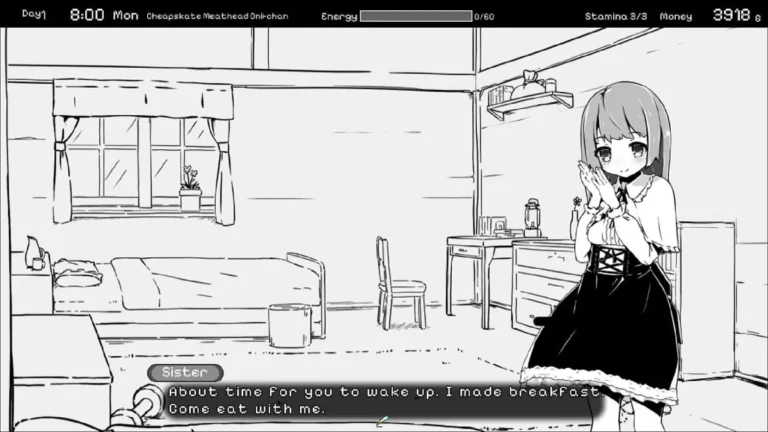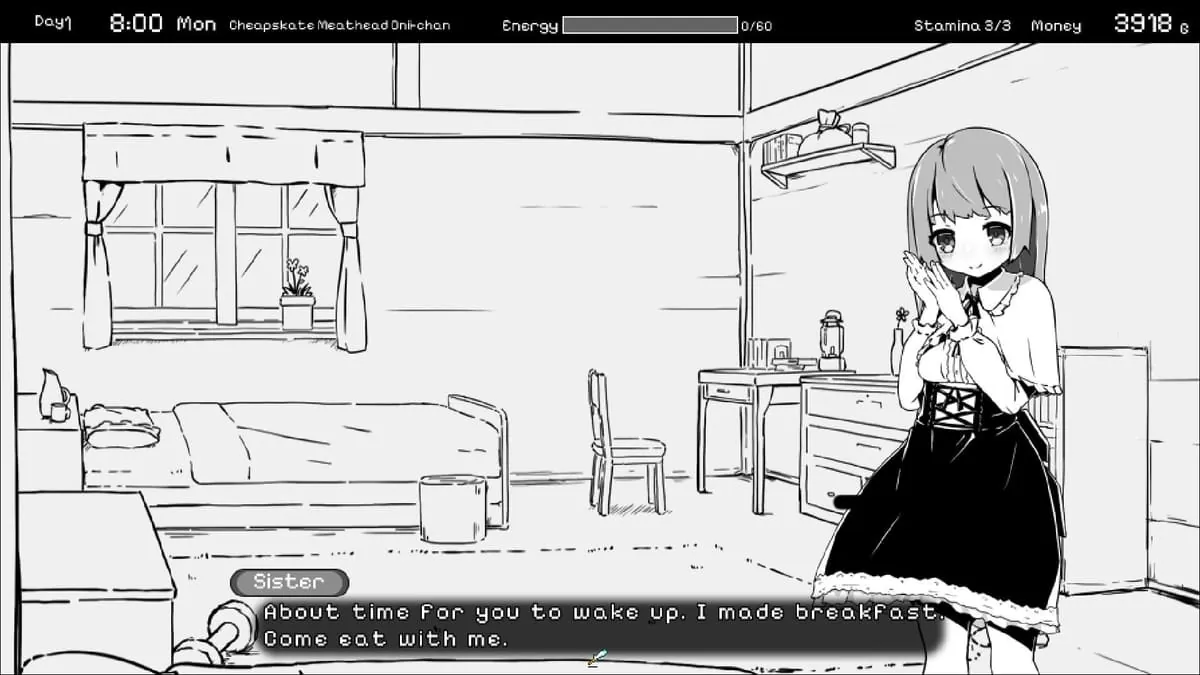
Living With Sister: Monochrome Fantasy Screenshots
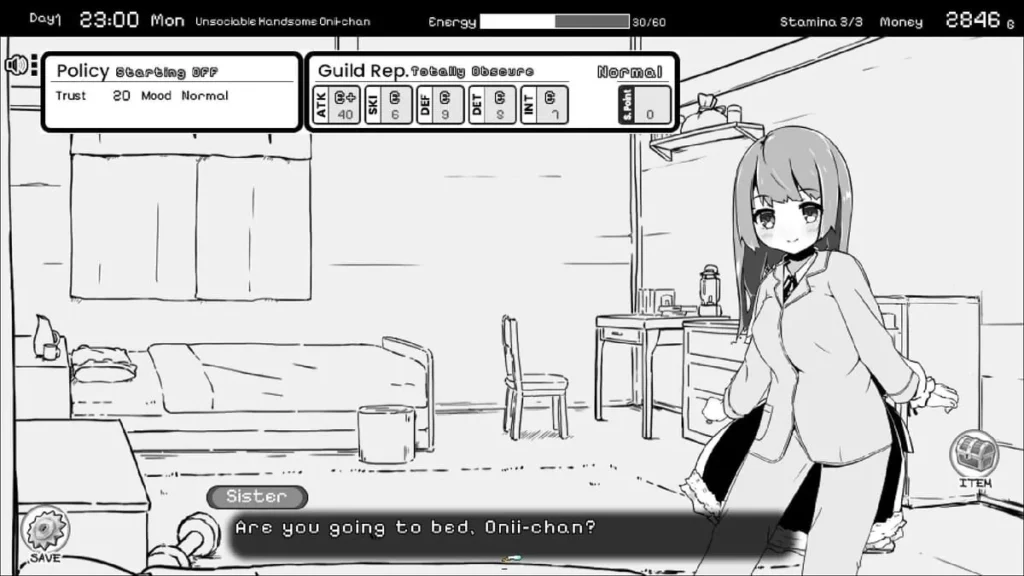
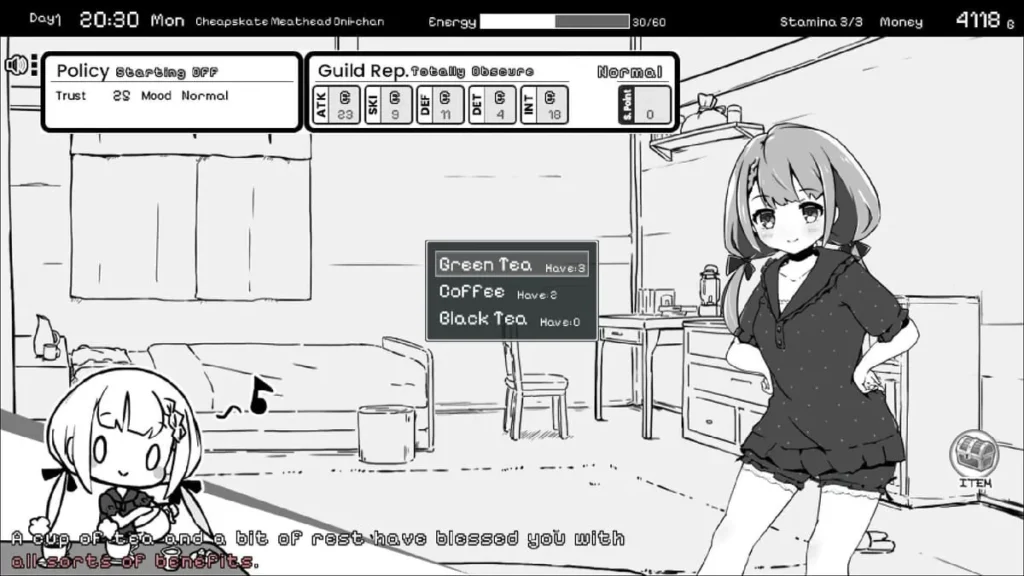
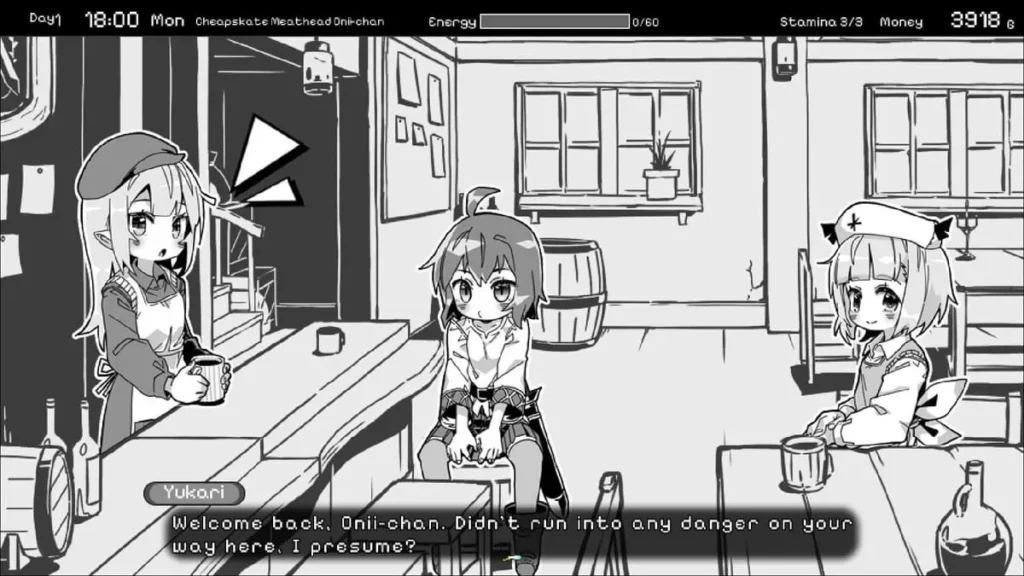
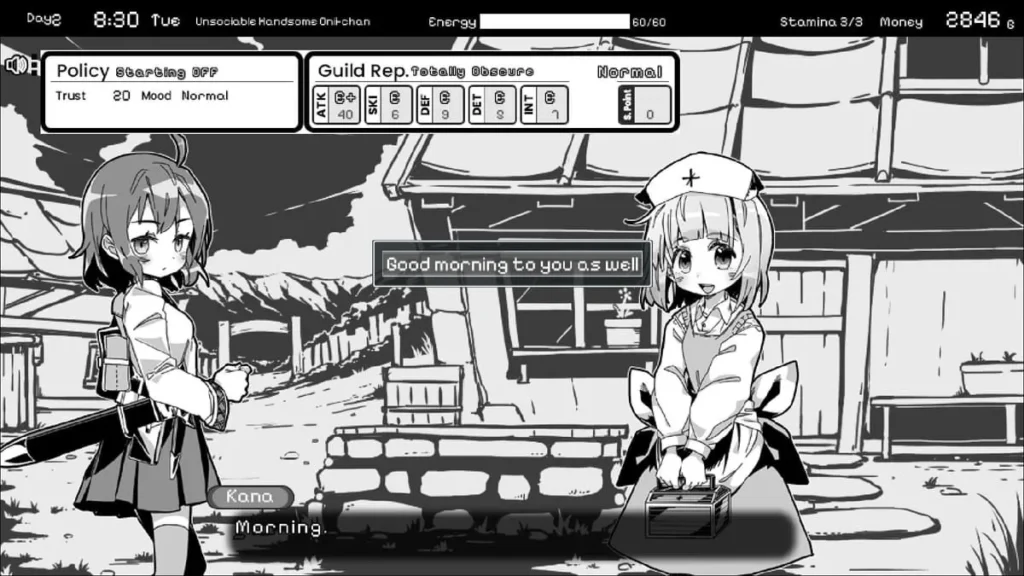
Living With Sister: Monochrome Fantasy review
Master gameplay mechanics, character relationships, and strategic tips for this unique simulation RPG
Living With Sister: Monochrome Fantasy stands out as a distinctive simulation RPG that blends time management, guild quests, and character relationship building into an engaging experience. This game challenges players to balance multiple responsibilities while navigating complex character dynamics through choice-driven storytelling. Whether you’re new to the game or looking to optimize your playthrough, understanding the core mechanics, character system, and strategic approaches will significantly enhance your gaming experience. The monochrome art style combined with deep gameplay systems creates a surprisingly rich and replayable adventure that rewards careful planning and exploration.
Core Gameplay Mechanics and Daily Systems
Let’s be real: your first few days in Living With Sister: Monochrome Fantasy probably felt like a frantic scramble. 😅 You wake up, you have energy, and suddenly you’re faced with a dozen choices. Do you head to the guild for work? Train your stats? Spend time with your sister? Before you know it, the day is gone, your energy is drained, and you’re not sure if you made any real progress. I’ve been there. I once got a game over because I was so focused on grinding money that I completely forgot to prepare for a mandatory guild battle. Oops.
This chapter is your blueprint to move from that panic to a state of calm, controlled mastery. We’re going to break down the core gameplay mechanics that make this time management simulation RPG so uniquely engaging and, at times, brutally strategic. By understanding the daily systems of guild work, training, and home life, you’ll learn to optimize every hour, boost your stats efficiently, and—most importantly—avoid those heartbreaking game over screens. Think of this as your personal guide to building a perfect routine in this captivating monochrome world.
Understanding the Time Management System
At its heart, Living With Sister: Monochrome Fantasy is a time management simulation RPG. Every in-game day is a precious resource split into blocks (morning, afternoon, evening), and every activity consumes both time and your character’s energy. This isn’t a game where you can do everything; it’s a game about making smart, strategic choices that align with your goals for the week or the entire playthrough.
The daily loop typically presents you with a menu of activities. Your choices directly impact three core areas: your stats (like Strength, Agility, and Magic), your finances (the essential Gold), and your relationship with your sister. The pressure comes from the calendar. Certain events, like guild battles, are fixed on the timeline. If you neglect your training, you’ll be wiped out in combat. If you neglect your guild work, you might run out of money for crucial items. It’s a constant, wonderful juggling act.
Here’s a breakdown of your primary activity types to help you plan. This table is the cheat sheet I wish I had when I started.
| Activity Type | Primary Rewards | Energy Cost | Optimal Timing & Tips |
|---|---|---|---|
| Guild Quests/Work | Gold, Minor Stat Gains | Medium | Mornings. Your main income source. Prioritize early game to build a gold reserve for key purchases like the feathered bed. |
| Stat Training (at designated spots) | Significant Stat Increases | High | Afternoons. Focus on one or two stats that synergize with your battle strategy. Don’t train with low energy—returns diminish! |
| Home Activities (Talking, Cleaning) | Relationship Points, Small Stat Buffs | Low to None | Evenings. Perfect for low-energy days. Cleaning is a free, mild stat boost. Conversations unlock story and bonuses. |
| Town Shopping | Items, Gear, Alchemy Materials | None (Time Only) | |
| World Tree Exploration (Weekends) | Large Gold, Rare Items, Combat EXP | Very High | Weekends only. The high-risk, high-reward activity. Never enter without full energy and decent gear. Your sister’s participation is key. |
The key to daily routine optimization is sequencing. A classic, stable early-game day for me looks like this: Morning at the guild for gold ➡️ Afternoon training my core combat stat (with energy to spare) ➡️ Evening at home, recovering energy while cleaning or having a short chat. This balances income, progression, and energy recovery. Remember, pushing yourself to train with zero energy is a waste of a time block—you’ll gain almost nothing. Sometimes, the best strategic move is to go home early and rest.
Guild Quests, Training, and Battle Mechanics
Your guild is your lifeline and your biggest source of pressure in this time management simulation RPG. It’s where you’ll earn most of your money, but it’s also where the threat of a game over becomes very real. Understanding this ecosystem is central to your guild quests and battles strategy.
Guild Quests & Work: These are your bread and butter. Each day, the guild will offer various jobs. Some are simple fetch quests, while others might be minor combat missions. Completing them grants immediate gold and occasionally small, random stat boosts. Your choice here can be subtlety strategic. Need a little extra Agility? Maybe pick the quest that involves swift delivery. Need cash fast? Grab the highest-paying one, regardless of the stat. Early on, your guild quests and battles strategy should favor gold accumulation to solve your energy problems (more on that soon).
Stat Training: This is your long-term investment. Scattered around town are locations where you can dedicate a time block to intensely focus on increasing a specific attribute, like Strength at the gym or Magic at the library. This is the most reliable stat increase method. The gains are much larger than the tiny bumps from quests. The catch? It’s incredibly draining. This is why energy management is so crucial—you can’t train effectively if you’re exhausted.
Now, let’s talk about the main event: Guild Battles. 🛡️⚔️
Every few days, your guild will be called to defend the town or tackle a major threat. These battles are NOT optional. If you lose, it’s an immediate game over. No second chances. This is why a myopic focus on only making money is a trap. I learned this the hard way during my first run, where I had a fat wallet but the combat prowess of a wet noodle.
My #1 tip for how to avoid game over: The calendar shows battle dates. Always work backward from them. For 2-3 days prior, shift your focus from gold farming to targeted stat training and ensuring you have the best gear you can afford. Treat battle days as deadlines.
Your performance in battle is a direct function of your stats and gear. There’s no random dice roll to save you. If the enemy has a Strength of 50 and you have a Defense of 30, you will take massive damage. It’s pure math. This makes your guild quests and battles strategy wonderfully transparent: see the enemy’s projected stats, audit your own, and fill the gaps through training and items.
Energy Management and Rest Strategies
If time is your currency, then energy is your battery. You can’t spend time without it. Mastering energy management tips is what separates the struggling beginners from the veterans who make the game look easy. Running out of energy isn’t just an inconvenience—it wastes entire days, as you’re forced to rest instead of progressing.
Every activity consumes a chunk of your energy bar. When it’s empty, your only option is to go home and sleep, ending the day. The default bed recovers a set amount per night, but it’s often not enough to support a full day of training and questing. This is where the game’s most critical early-game purchase comes in.
The Feathered Bed is Non-Negotiable. 🛏️💫
This isn’t a luxury; it’s the foundation of your entire economy. The upgraded bed significantly increases the energy you recover each night. Buying this should be your absolute first financial goal. It pays for itself in just a few days by allowing you to accomplish more per day. Before I bought it, I was constantly taking half-days. After buying it, I could consistently complete a morning quest and an afternoon training session, accelerating my progress exponentially.
Here is your essential early-game purchases checklist, in priority order:
- Feathered Bed: Your top priority. Unlocks sustainable daily routines.
- Basic Weapon Upgrade: Don’t overspend, but a slight edge in early battles is safe.
- Alchemy Starter Ingredients: A small stock to craft minor recovery items for emergencies.
- Gear with Stat Buffs: Look for affordable accessories that give +2 to your main attack stat.
The Alchemy & Item System is your auxiliary energy bank. You can gather or buy materials to craft potions that restore energy or health. A well-timed energy potion can allow you to squeeze in an extra training session before a big battle or tackle a lucrative weekend World Tree run. However, materials cost money and time to gather. It’s usually more efficient in the long run to invest in the feathered bed and use alchemy for occasional pushes or emergencies.
Strategic Resting is a valid tactic. Sometimes, if your energy is too low for effective training but you don’t want to waste a potion, choosing a very low-energy home activity (like cleaning) or even ending the day early is smarter. A full energy bar tomorrow is better than a wasted afternoon today. This is a nuanced part of daily routine optimization—knowing when to push and when to recharge.
Finally, weekends offer a shift. With no guild work, you have large, uninterrupted blocks of time. This is perfect for the deep dive into the World Tree with your sister (a major source of late-game resources) or a dedicated town day for shopping and alchemy prep. Plan your week with the weekend in mind. If you’re planning a big expedition, you might take it easier on Friday to ensure you start Saturday with full energy.
Mastering the Living With Sister gameplay mechanics boils down to this symbiotic relationship between time, energy, and goals. By treating your daily schedule as a puzzle to be solved, prioritizing the bed upgrade, and always preparing for the next guild battle, you’ll transform from a reactive survivor into a proactive master of this monochrome world. The path to avoiding a game over is paved with careful planning, disciplined energy management tips, and a strategy that balances your wallet, your strength, and your bonds. Now, go build that perfect routine
Living With Sister: Monochrome Fantasy delivers a surprisingly deep gaming experience that rewards strategic thinking and careful planning. By mastering the daily time management system, understanding character relationship mechanics, and implementing advanced optimization strategies, players can unlock multiple endings and discover the full depth of this unique simulation RPG. The game’s replayability through New Game Plus and the trust/lewd system ensures that each playthrough offers new discoveries and character interactions. Whether you’re pursuing specific endings, maximizing stat development, or simply enjoying the narrative journey, the mechanics discussed throughout this guide provide the foundation for a fulfilling gaming experience. Start with the core gameplay fundamentals, gradually incorporate advanced strategies, and don’t hesitate to restart when necessary—the game rewards persistence and experimentation. Dive into Living With Sister: Monochrome Fantasy and experience the compelling blend of simulation, strategy, and character-driven storytelling that makes this game stand out in the indie gaming landscape.