Short Sad Stories
Play Short Sad Stories
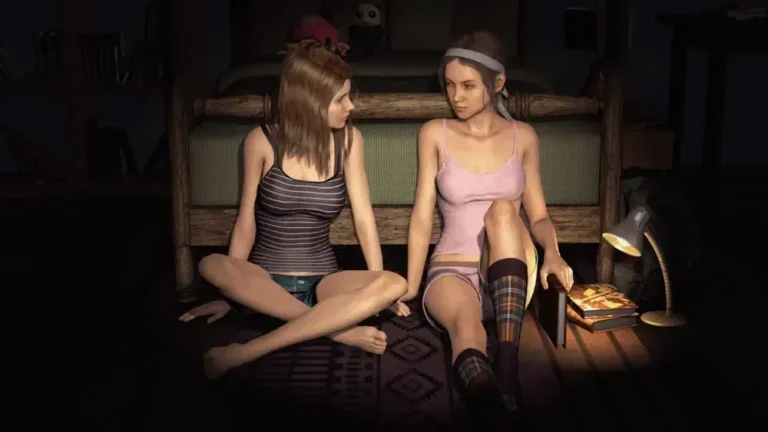
Short Sad Stories Screenshots
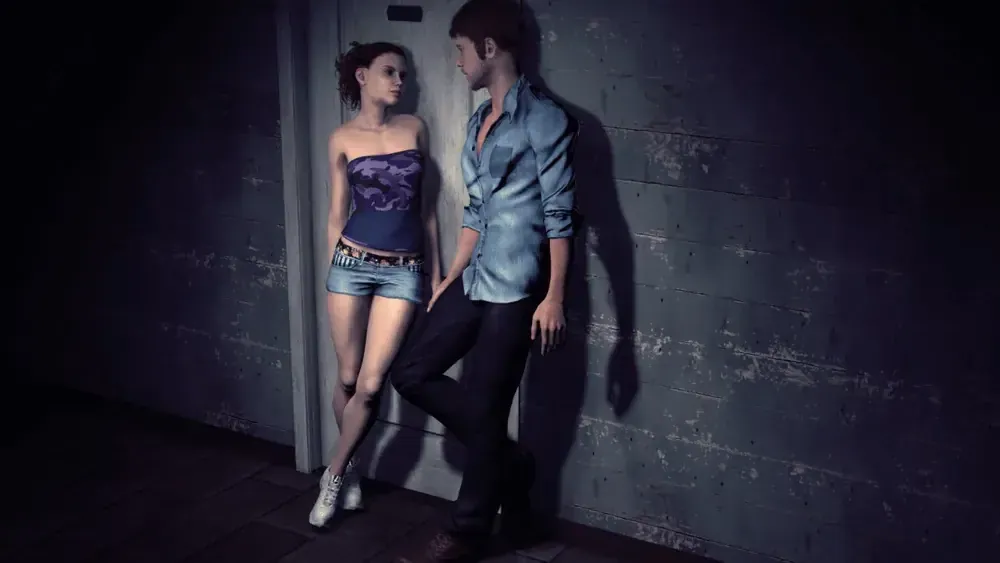

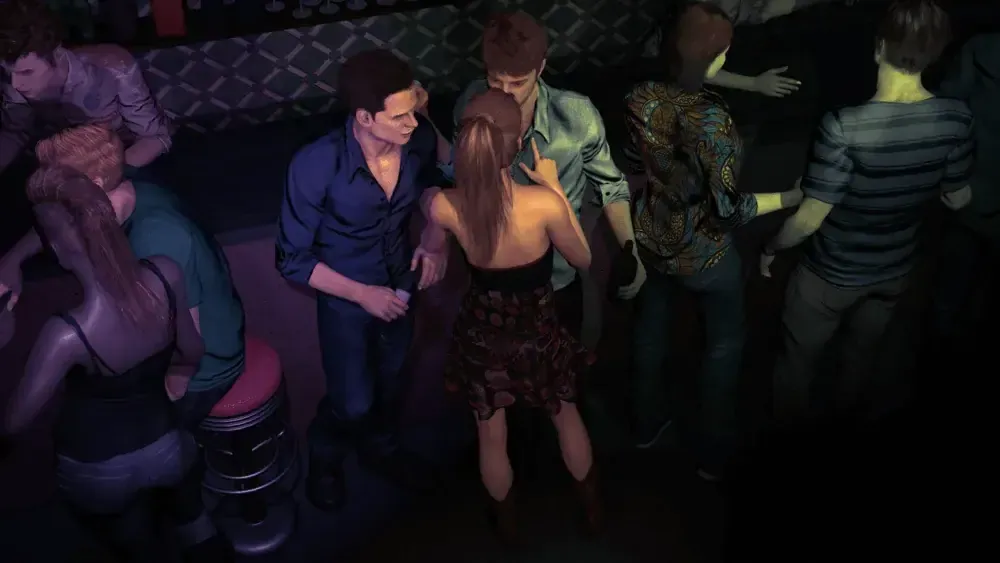
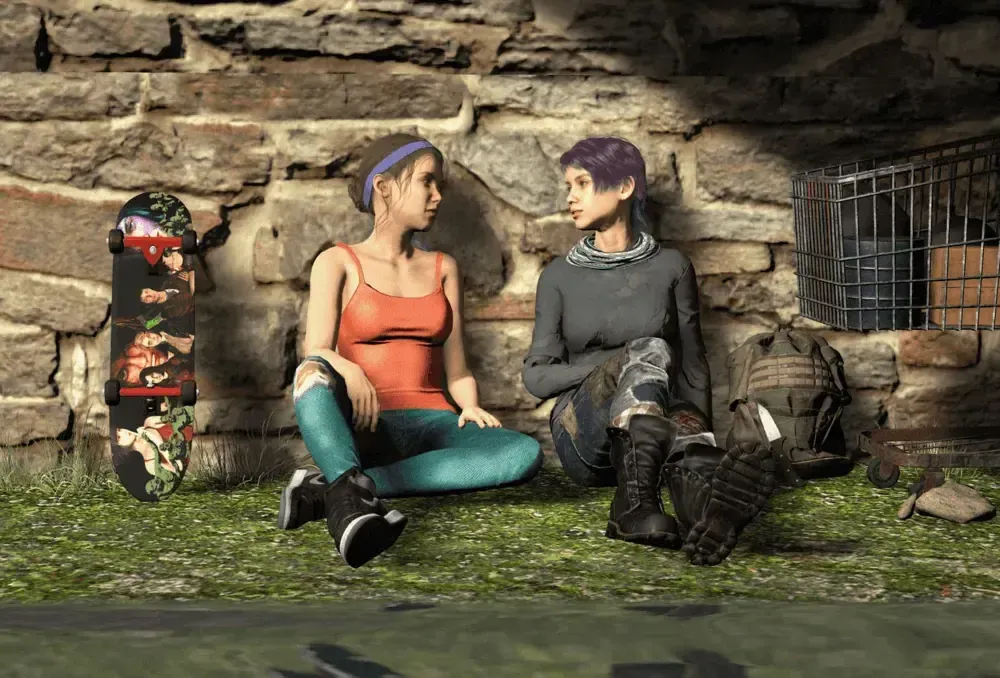
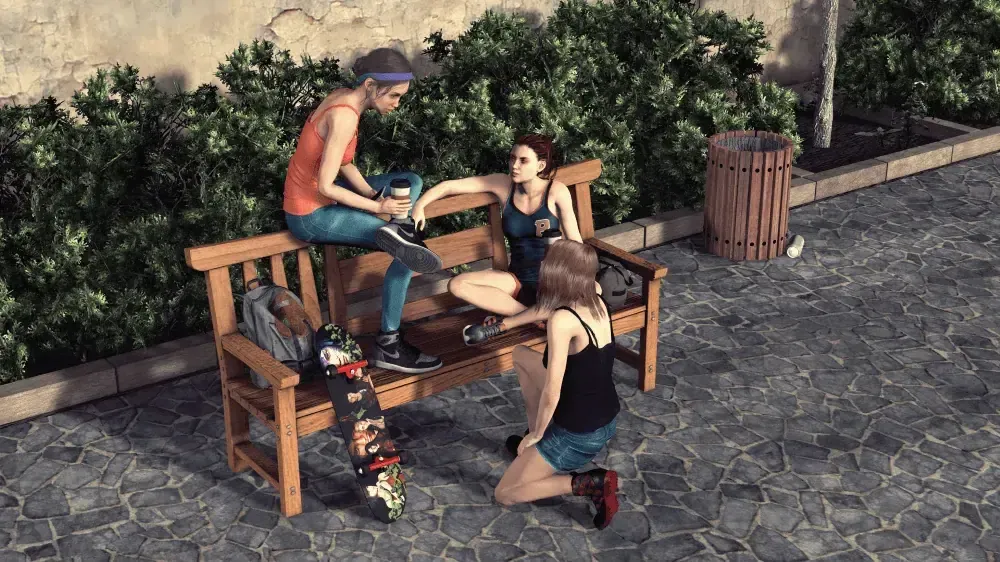
Short Sad Stories review
Exploring the emotional impact, themes, and experience of playing Short Sad Stories
Short Sad Stories is a narrative-focused game built around brief but emotionally heavy episodes that stay with you long after you close it. In this article, I want to walk you through what makes Short Sad Stories unique, why its sadness feels so real, and how you can get the most out of it. Instead of just listing features, I’ll share how it feels to actually sit with these stories, make choices, and watch quiet, heartbreaking moments unfold on screen.
What Is Short Sad Stories and Why Does It Hit So Hard?
You sit down, maybe with a cup of tea, thinking you’ll just try a quick, casual game. An hour later, you’re staring at the screen, feeling a quiet ache in your chest, completely blindsided by a story that took mere minutes to unfold. That, in essence, is the magic trick of Short Sad Stories. It’s not just a game; it’s a series of emotional vignettes, a collection of delicate, narrative-driven moments designed to leave a lasting imprint far beyond their brief runtime.
So, what is Short Sad Stories? 🎮 At its core, it’s an emotional narrative game composed of brief, self-contained episodes. Each one is a snapshot of life, often focusing on themes of loss, memory, and quiet introspection. There are no complex puzzles or high-stakes combat here. The gameplay is minimalist—a click to interact, a choice of dialogue, a moment of observation. The real “gameplay” is the emotional journey, the act of piecing together a character’s history from sparse details and sitting with the feelings that arise. The central promise of this Short Sad Stories game is profound: to deliver a powerful, bittersweet punch in a compact, digestible format.
If you’re wondering is Short Sad Stories worth playing, the answer hinges on what you seek. If you want fast action or constant rewards, look elsewhere. But if you’re open to a contemplative, beautifully crafted experience that prioritizes mood and meaning, then it is an absolute must-try. It’s for anyone who has ever been moved by a perfectly written short story or a poignant piece of music.
How Short Sad Stories Builds Emotion in Such a Short Time
The genius of this short emotional game lies in its efficiency. It doesn’t have hours to develop characters through epic arcs. Instead, it uses masterful storytelling techniques to forge an instant, deep connection. It’s like a master photographer capturing a single frame that tells a whole life story.
First, the game thrives on implication and subtext. Dialogue is sparse and often mundane, but loaded with meaning. A character might say, “The plants are still alive,” and that simple line can carry the weight of absence, responsibility, and memory. The environment tells half the story: a half-made bed, a single mug in the sink, a photograph tucked in a drawer. These small details are breadcrumbs, and your mind instinctively follows them to build a larger, often heartbreaking, backstory.
The pacing and atmosphere are meticulously controlled. Scenes unfold slowly, often in real-time, forcing you to sit in the silence. Ambient sound is crucial—the ticking of a clock, distant traffic, the hum of a refrigerator. This quiet soundscape makes every piece of soft, melancholic music that swells feel like a direct punch to the heart. The interaction is simple, sometimes just clicking to pick up an object or turn on a light, but that physical act makes you an active participant in the memory, not just a spectator.
Finally, the structure is key. Many episodes begin with utterly ordinary situations—making coffee, waiting for a bus, cleaning a room. This normality is the setup. The game then slowly, gently, pulls back the curtain to reveal the deeper pain, regret, or longing beneath the surface. The contrast between the mundane action and the emotional revelation is what creates such a powerful resonance. The playtime is short, but the feeling it cultivates lingers, inviting reflection long after you’ve closed the game.
| Technique | How It Works in Short Sad Stories | Emotional Effect |
|---|---|---|
| Sparse Dialogue | Uses everyday lines loaded with unspoken history. | Players actively interpret and feel the weight of what’s left unsaid. |
| Environmental Storytelling | Objects, placements, and spaces hint at past events and character traits. | Creates a deep sense of place and personal history, fostering empathy. |
| Pacing & Silence | Slow, deliberate scenes with pockets of quiet and ambient sound. | Builds tension and allows emotional moments to land without rush. |
| Minimalist Interaction | Simple clicks or choices that feel weighted and significant. | Makes the player complicit in the narrative, deepening personal investment. |
Core Themes and Atmosphere in Short Sad Stories
The Short Sad Stories themes are the backbone of its identity. This isn’t a game about monstrous horrors or grandiose tragedies; it’s about the subtle, everyday sadnesses that shape a life. It explores the quiet spaces between people and the echoes of past decisions.
Recurring motifs include loneliness in a crowd, the haunting nature of memory and grief, and the fragile threads of human connection. It’s often about missed chances, roads not taken, and the bittersweet act of looking back. The game has a remarkable talent for portraying sadness not as a violent storm, but as a slow, persistent rain—something that soaks into you gradually.
The art and sound design are fundamental in conveying these Short Sad Stories themes. Visually, you’ll often see muted color palettes, soft lighting, and compositions that emphasize empty space or distance between characters. It’s not bleak; it’s melancholic and reflective. The soundtrack, often featuring piano or gentle strings, never manipulates. Instead, it underscores, giving voice to the emotions the characters can’t always express.
This creates an overall atmosphere of contemplation. The game gives you permission, and even the necessary quiet, to feel. It doesn’t shock you into sadness; it invites you to recognize it. Each story feels less like a crafted plot and more like a personal diary entry or a recovered memory that you’ve been allowed to step inside and inhabit for a few precious minutes. In the world of sad story games, it stands out for its gentle, respectful handling of difficult emotions.
My First Experience Playing Short Sad Stories
I went in completely cold, expecting a low-key way to spend an evening. I was not prepared. 🫂
The episode opened on a character in a small, tidy apartment at dusk. The task seemed simple: water the plants. As I clicked on each pot, a brief, quiet memory would flash—a laugh, a comment about how they always forgot to water the ferns. The apartment wasn’t empty; it was full of the evidence of someone else. A second toothbrush, a certain book on the nightstand, a jacket on the back of a chair.
Then, I clicked on the door to the balcony. The character stepped out, and the music shifted ever so slightly. The interaction prompt appeared not on a plant, but on the empty space beside them on the railing. I clicked. The character simply placed their hand on the railing, as if feeling for the ghost of another hand that used to rest there. No grand speech, no flashback. Just that silent gesture, the fading light, and the crushing understanding of what “watering the plants” really meant in this new, lonely context.
That was it. The episode ended maybe 7 minutes after it began. I sat back, feeling unexpectedly winded. I had to just stare at the menu screen for a bit, letting it all sink in. The emotional shift wasn’t dramatic; it was a slow, sinking realization that the game had trusted me to have, all built through implication and one simple, perfect interactive moment. It wasn’t about making me cry; it was about making me feel the silence. That’s the power of this emotional narrative game.
After that first story, I couldn’t just jump into the next one. I needed a breather, a moment to process. And that’s a common reaction. Short Sad Stories understands that its impact requires space. It’s a game best played one or two episodes at a time, letting each story’s emotional residue settle before beginning anew.
💡 Tip for New Players: Don’t rush. Let the game’s pace be your pace. If a scene feels slow, lean into that stillness. The emotional payoff is woven into the quiet moments.
So, is it worth your time? If you approach it with the right expectations—ready to read between the lines, to accept a slow burn, and to sit with sometimes difficult feelings—then absolutely. It’s a masterclass in economical, impactful storytelling and a standout title among short emotional games. It proves that you don’t need a hundred hours to tell a story that stays with someone for just as long.
A Few Quick Questions Before You Play…
- How long does it take to play? 🕒 The entire experience can be completed in a few hours, but I strongly recommend playing it episodically. Each story is 5-15 minutes, perfect for a single, impactful session.
- Do I need to like heavy drama to enjoy it? Not necessarily! While the themes are melancholic, the delivery is gentle and reflective, not traumatic or overwhelming. It’s more about poignant recognition than intense drama.
- Are there choices, and do they matter? Yes, there are often small dialogue or action choices. They may not change the ultimate outcome of a story (which is often about a fixed memory or feeling), but they profoundly change your journey through it and how you connect with the character.
- What’s the best way to experience it? Find a quiet space, put on headphones to fully immerse yourself in the superb sound design, and allow yourself to be patient and observant. Let the game do its work.
Short Sad Stories is the kind of game you don’t just play and forget; you carry its little fragments of hurt and hope with you afterward. By focusing on quiet moments and compact, emotional vignettes, it offers a different kind of experience than bigger, louder titles. If you’re in the mood for something reflective and human, give yourself permission to slow down, lean into the sadness, and see what Short Sad Stories brings up for you. When you do, take your time, maybe replay a scene or two, and notice how even the smallest choices and details can echo long after the credits roll.