Tales from the Unending Void
Play Tales from the Unending Void
Tales from the Unending Void Screenshots





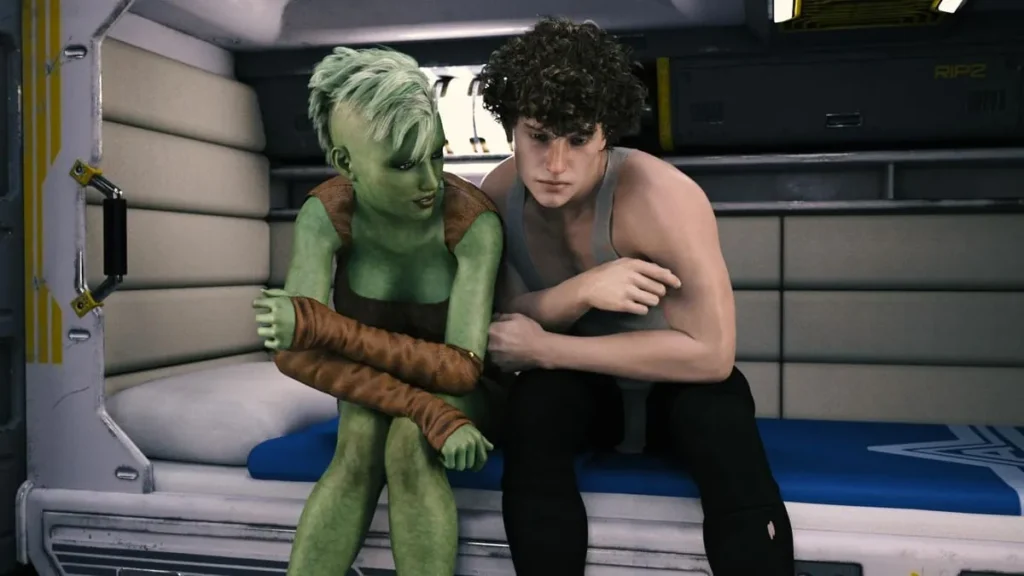








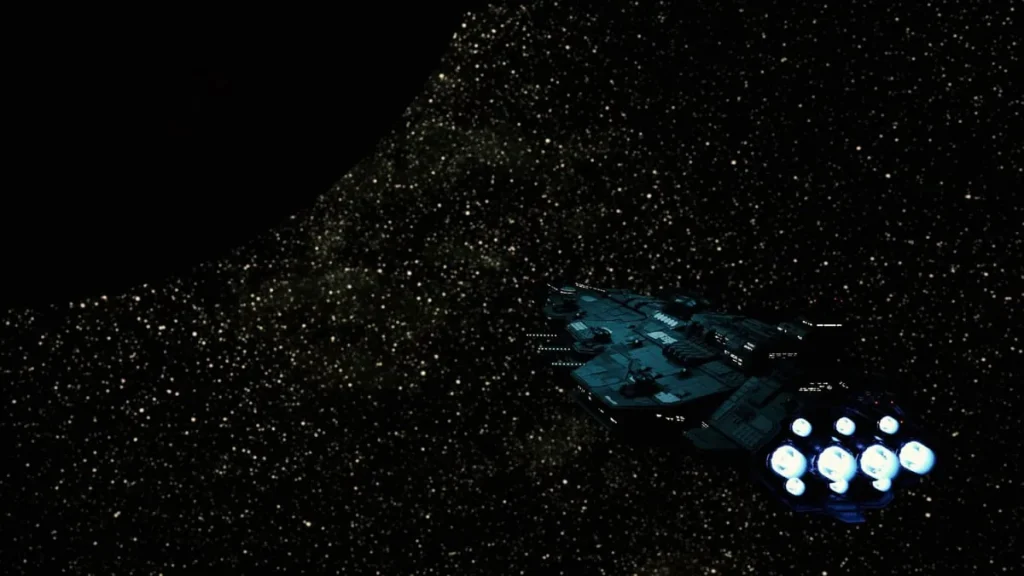

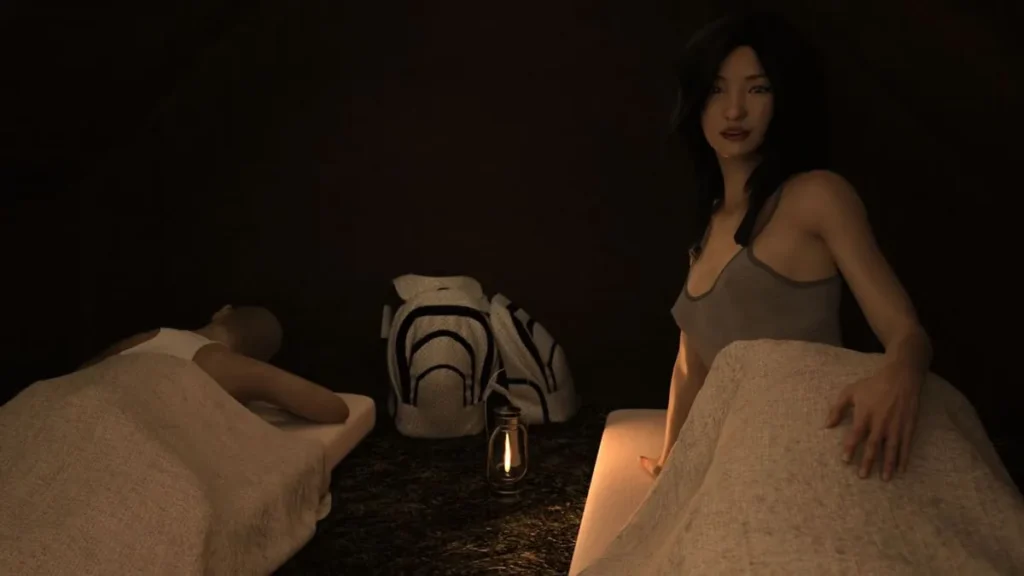
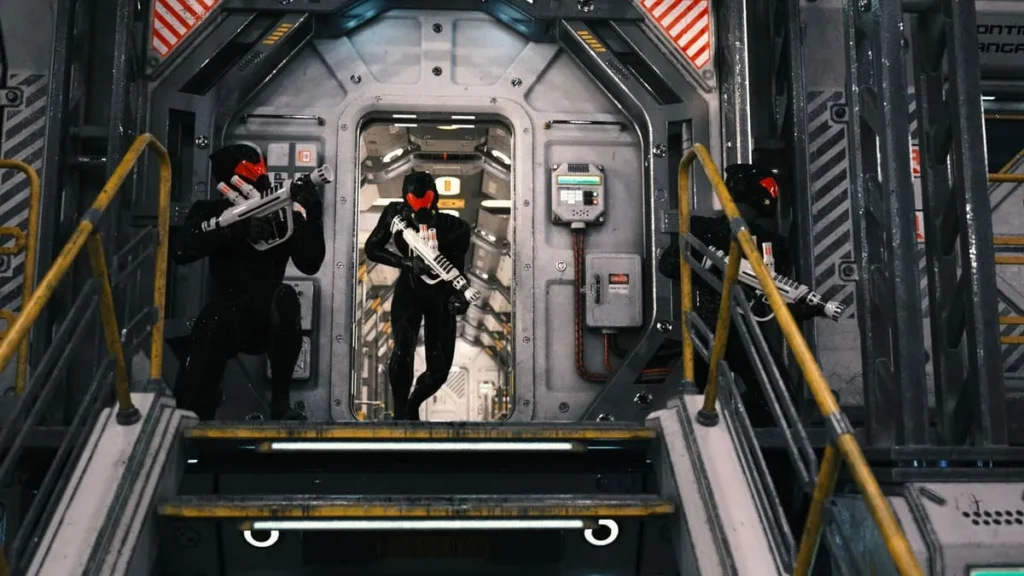




Tales from the Unending Void review
Explore narrative choices, character relationships, and gameplay mechanics in this choice-driven visual novel
Tales from the Unending Void stands out as a choice-driven visual novel that prioritizes player agency and narrative branching. This game series combines interactive storytelling with multiple love interests, both alien and human characters, each with their own unique backstories. The experience is built on decisions that meaningfully impact the narrative direction, offering players the freedom to shape their journey through the game’s unfolding story. Season one contains 12 episodes forming the first act, with additional seasons in development. Understanding the game’s core mechanics, character system, and choice structure helps players maximize their experience and unlock the full depth of available content.
Understanding the Game Structure and Mechanics
Ever stared at a dialogue option in a game, your finger hovering over the mouse, paralyzed by the fear of picking wrong? I have. In my first playthrough of Tales from the Unending Void, I made what I thought was a harmless, snarky comment to the ship’s stoic engineer, Kael. Big mistake. 😅 Two episodes later, he was refusing to help me repair a critical system during an asteroid storm, and let’s just say my captain didn’t survive that particular timeline. That moment, frustrating as it was, perfectly captured the magic and depth of this game’s choice-driven visual novel mechanics. Every decision isn’t just about being nice or mean; it’s about building your unique story brick by brick.
This isn’t a passive experience. The core of Tales from the Unending Void gameplay is active participation. You are the captain, and the narrative bends to your will—and occasionally, to your mistakes. Understanding this system is the key to unlocking the rich, branching universe the developers have crafted. So, let’s break down exactly how you steer your ship through this story.
How Choice-Driven Gameplay Works in This Visual Novel
At its heart, the game is a masterclass in consequential storytelling. You won’t find simple “Good/Bad” or “Paragon/Renegade” meters here. Instead, the game uses a sophisticated web of narrative branching choices that influence three primary areas: the overall plot direction, your relationships with the crew, and your personal character traits.
Think of it like a personality test that actually matters. Early on, you might choose how to handle a diplomatic incident: with forceful authority, cunning deception, or empathetic negotiation. This choice won’t just affect the immediate outcome. It might tag your captain with a hidden “Authoritative” trait, which later unlocks or locks specific dialogue options when dealing with a militaristic faction. Another character on your ship, who values cunning, might approve of your deceptive choice, giving a subtle, invisible boost to your relationship score with them.
My Pro Tip: Don’t try to “game” the system on your first playthrough. The beauty is in the surprise. Choose what feels right for your captain and live with the consequences. You’ll have a much more personal and engaging story.
These narrative branching choices are often subtle. A supportive comment to a crewmate during a personal crisis might not change the scene you’re in, but it could be the deciding factor in whether they confide in you during a crucial moment three episodes later. The game is brilliant at creating these cascading effects, making every interaction feel weighted and meaningful. This is the essence of true choice-driven visual novel mechanics—where the path isn’t just branching, it’s growing into a full, unique tree based on your input.
To truly master the Tales from the Uncoming Void gameplay, you need to accept that you can’t see everything in one go. My disastrous run with Engineer Kael taught me that. Replayability isn’t just encouraged; it’s baked into the design. Want to see what happens if you side with a different faction, or pursue a different romance? You have to start a new journey. Luckily, the writing is so strong that seeing familiar scenes from a new perspective is a joy, not a chore.
Season Structure and Episode Breakdown
One of the most impressive aspects of Tales from the Unending Void is its ambitious, novel-like structure. The story is planned as a grand trilogy, released in digestible chapters. This visual novel episode structure keeps the story fresh and gives you natural breakpoints to ponder your major decisions.
Season One, which is fully available, acts as the massive foundation. It’s your “Act I,” where you meet the crew, learn the rules of this universe, and face your first galaxy-shaking threats. The developers have structured it into 12 dense episodes, each lasting 1-2 hours depending on your reading speed and how thoroughly you explore every dialogue option.
Here’s a breakdown of the planned journey:
| Season | Episode Count | Story Act | Development Status |
|---|---|---|---|
| Season One | 12 Episodes | Foundation & First Major Arc | ✅ Complete & Available |
| Season Two | 10-12 Episodes (Planned) | Rising Action & Consequences | 🟡 In Development |
| Season Three | 10-12 Episodes (Planned) | Finale & Resolution | 🔲 Planned |
This clear roadmap is a gift for players. You can dive into Season One knowing it’s a complete, satisfying narrative arc with its own climax and resolutions (though it leaves plenty of hooks for the future!). The visual novel episode structure also means your choices in Episode 3 will resonate all the way to Episode 12, creating a wonderfully cohesive first act.
For those who fall in love with this universe (and you will), the Bonus Edition is a must-have. It’s packed with extra content that fleshes out the world and characters, including:
* Extra Scenes: These aren’t just fluff. They’re often deeply personal moments with your chosen love interests or crucial backstory for secondary characters that add layers to the main plot.
* Bonus Artwork: Gorgeous CGs (computer graphics) and concept art that let you appreciate the stunning visual design.
* Developer Commentary: A personal favorite of mine—it’s like having the writers in the room, explaining why certain narrative branching choices were designed the way they were.
This structure makes the daunting task of how to unlock all scenes a marathon, not a sprint. With 12 core episodes, multiple major branches, and bonus content, there are hundreds of unique scenes waiting to be discovered across many, many playthroughs. 🚀
Character Relationships and Multiple Love Interests
If the choice-driven visual novel mechanics are the brain of the game, and the visual novel episode structure is its skeleton, then the characters are its beating heart. This is where Tales from the Unending Void truly shines. You’re not just managing stats; you’re building genuine, complex relationships with a diverse crew, each with their own dreams, fears, and secrets.
The multiple love interests system is a highlight, offering a range of compelling partners that cater to different tastes and personalities. What’s brilliant is that these romances are woven directly into the main plot. Pursuing someone isn’t a separate mini-game; it’s about making choices that align with their values and being there for them during their personal story missions. The character relationship development feels earned and authentic.
You can pursue deep, romantic connections with several key crew members. Here’s a peek at the fascinating cast you can get to know, and potentially love:
- Kael (The Stoic Engineer): A no-nonsense alien from a mechanically gifted species. His trust is hard-won but absolute. Romance him by showing respect for his expertise and a shared love for the ship’s inner workings.
- Lyra (The Empathic Medic): A human with a mysterious, innate ability to sense emotional and physical pain. She responds to kindness, empathy, and a commitment to preserving life, even in the harshness of space.
- Vex (The Cunning Mercenary): A charming but dangerous alien with a shadowy past. This romance is a high-risk, high-reward path, full of thrilling escapades and moral ambiguity. He appreciates cleverness and a pragmatic approach to survival.
- Jun (The Loyal First Officer): Your steadfast human second-in-command. Their route is about building mutual professional respect that slowly deepens into something more. They value duty, loyalty, and a captain who leads by example.
This multiple love interests system is beautifully balanced. The game never forces you into a romance, and you can maintain strong, platonic bonds with everyone. The character relationship development happens through key choices, both big and small. Did you assign them to a high-risk mission? Did you remember to ask about their homeworld? Did you support their personal goal or dismiss it for the “greater good”?
Actionable Advice: Keep a mental note (or even a literal one!) of what matters to each character. Referencing a past conversation or a personal detail they shared in a later episode is often a hidden relationship check that can open up new, intimate scenes.
Understanding this system is crucial for knowing how to unlock all scenes. Many of the most memorable and emotionally powerful scenes in the game are locked behind high relationship scores with specific characters. To see everything, you’ll need dedicated playthroughs where you focus your attention on a single love interest, making every major choice with their personality in mind. This is where a detailed walkthrough can be invaluable for completionists, helping you navigate the complex web of which choice leads to which heartwarming—or heartbreaking—moment.
Ultimately, the relationships are what make your journey through the Unending Void feel personal. Whether you find romance with the stoic Kael, build a life with the compassionate Lyra, embark on a dangerous dance with Vex, or find a partner in your steadfast officer Jun, these connections are the emotional core that will have you coming back for “just one more playthrough” to see how the story could have unfolded with someone else by your side. ❤️ This deep, integrated multiple love interests system ensures that your experience with Tales from the Unending Void gameplay is uniquely, wonderfully your own.
Tales from the Unending Void delivers a compelling experience for players who value narrative depth and meaningful choices. The game’s foundation rests on a robust choice system where player decisions genuinely shape character relationships and story outcomes. With multiple love interests spanning both human and alien characters, each offering unique backstories and relationship arcs, the game encourages multiple playthroughs to explore different narrative paths. The three-season structure provides substantial content, with season one establishing the first act and additional seasons expanding the story. Whether you’re drawn to the relationship-building aspects, the branching narrative possibilities, or the character-driven storytelling, understanding the game’s mechanics and structure enhances your ability to engage with the experience fully. For players seeking to unlock all available content and understand the depth of narrative possibilities, utilizing available guides and experimenting with different choice combinations reveals the full scope of what this visual novel offers.