Unveiling the Unknown
Play Unveiling the Unknown
Unveiling the Unknown Screenshots
Unveiling the Unknown review
Master the narrative choices, character relationships, and multiple endings in this interactive storytelling experience
Unveiling the Unknown stands out as a distinctive interactive storytelling experience that prioritizes player agency and narrative depth. This game invites you into a mysterious world where your decisions genuinely shape the story, character relationships, and ultimate outcomes. Unlike traditional linear narratives, every choice you make—from how you approach family values to which characters you invest time in—creates a butterfly effect that ripples throughout your journey. Whether you’re exploring the overlooked twin character’s perspective or navigating complex moral dilemmas, this guide provides practical insights to enhance your adventure and uncover the game’s hidden depths.
Understanding the Core Narrative and Character Dynamics
Ever loaded up a game expecting to be the glorious, prophesied hero, only to find your hand hovering over the dialogue option that says, “Actually, I’m kinda jealous and tired of this”? That’s the brilliant, gut-punch premise of Unveiling the Unknown. This isn’t just another fantasy romp; it’s a masterclass in perspective that asks one of the most relatable questions imaginable: what about the people left in the hero’s shadow? 🕵️♂️
At its heart, the Unveiling the Unknown narrative forces us to walk in the boots of the forgotten sibling, the overlooked companion, the “other one.” While the world sings ballads about Elara the Lightbearer and her legendary deeds, you step into the worn-out shoes of Kaelen, the brother who held the fort, managed the debts, and watched from the sidelines. This shift from the spotlight to the sidelines isn’t just a plot twist—it’s the game’s entire emotional engine. It transforms a tale of epic conquest into a deeply personal exploration of resentment, love, and the desperate need for recognition. The game doesn’t just tell you a story; it makes you feel the weight of the unsung chapters.
This foundational choice is what makes it such a powerful interactive storytelling game. You’re not navigating a pre-determined path for a classic hero. You’re actively deciding how Kaelen processes a lifetime of being second-best. Do you nurture that bitterness into a sharp, ambitious tool? Or do you try to transcend it, seeking your own definition of worth beyond comparison? The player-driven narrative choices you make from this vulnerable starting point ripple out to define every alliance, every conflict, and every ending. Let’s pull back the curtain on how this all works. ✨
The Dual Perspective: Celebrating Heroes vs. Forgotten Siblings
Think of your favorite legendary tale. Now, imagine living in its margins. The Unveiling the Unknown narrative is built on this delicious, painful tension. The game world is saturated with Elara’s glory. Townsfolk cheer her name, taverns display her banner, and quest-givers sigh, “If only Elara were here!” You, as Kaelen, navigate this world of constant, cheerful reminder that you are not the special one.
I remember my first playthrough. A simple errand to fetch supplies turned into a 20-minute ordeal because every NPC wanted to recount their personal story about Elara saving their farm/cat/ancestral lute. My initial role-play of “dutiful brother” quickly curdled into genuine frustration. The game had successfully made me, the player, feel overlooked. That’s its secret weapon. 🎭
This dual perspective forces the game to ask profound questions: What is the true cost of heroism? Who pays the bill while the hero is off saving the world? Is a legacy built on forgotten sacrifices still noble? Unveiling the Unknown doesn’t provide easy answers. Instead, it gives you the tools—the choices, the dialogues, the silences—to craft your own answer through Kaelen’s eyes.
By framing the story from this “forgotten” angle, the game elevates its character relationships gameplay. Your connections aren’t just about gathering a party of powerful allies; they’re about finding people who see Kaelen for himself, not just as “Elara’s brother.” A fellow outcast, a cynical scholar, or even a rival who recognizes your untapped potential—these relationships become your anchor in a world that otherwise defines you by your proximity to greatness.
How Character Relationships Shape Your Story
If the dual perspective is the game’s heart, then relationships are its circulatory system. Nothing exists in a vacuum here. Every conversation, every gift, every decision in a crisis directly feeds into a living, breathing web of connections that ultimately determines your path. This is where the interactive storytelling game philosophy shines brightest. Your story is literally co-authored by the people you choose to let in (or shut out).
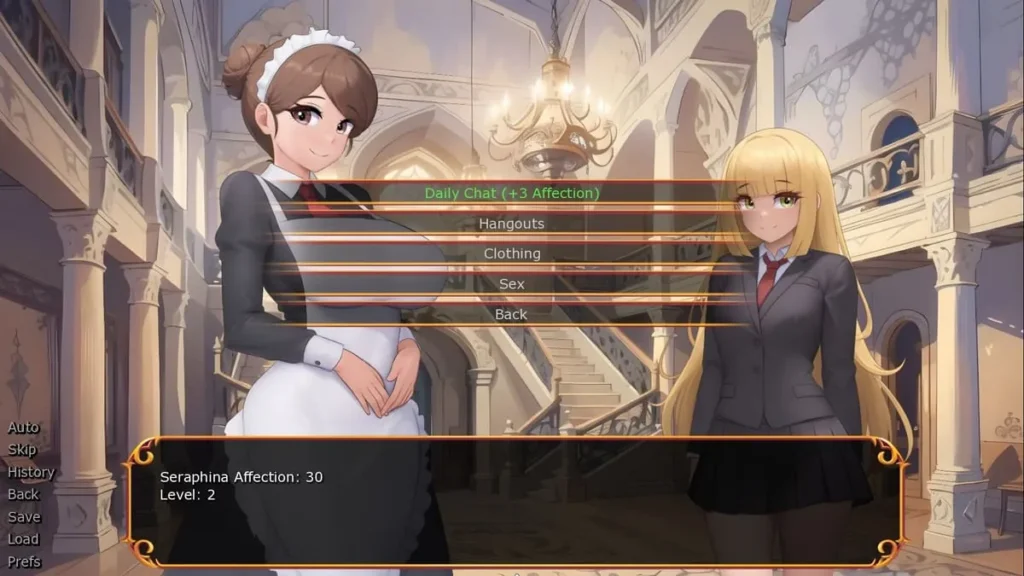
The system is deceptively deep. It’s not just a simple “like/dislike” meter. Characters have layered opinions of you based on your actions, your treatment of others, and your expressed values. For instance, choosing a compassionate, diplomatic approach will endear you to some characters (like the healer, Miren) while making others (like the pragmatic mercenary, Garrick) question your strength. The magic of how to build relationships in Unveiling the Unknown lies in consistency and observation.
Pro Tip: Don’t just spam gifts! Pay attention to what characters say about their past, their fears, and their hopes. Choosing a dialogue option that references a previous, private conversation is the single most powerful way to deepen a bond. It shows you were truly listening. 👂
Game character development is a two-way street. As you invest time in characters, their own stories unfold in stunning detail. Spending an evening at the tavern with Garrick isn’t just a +5 to friendship; it might reveal the tragic loss that made him so ruthless, forever changing how you view his future advice. The game rewards repeat interactions with layered payoffs, transforming party members from archetypes into the most well-rounded characters you’ll meet.
Romance is a natural, beautiful extension of this. It never feels tacked-on. Romantic options expand organically from shared vulnerability, trust, and aligned worldviews. You can’t just pick a love interest from a menu; you have to walk the path that leads to them. Maybe your shared resentment of predetermined destinies draws you to another outsider, or perhaps your steadfast loyalty wins the heart of someone who values honor above all. Each romantic path adds a unique narrative filter and can lock or unlock critical story branches.
Let’s look at a concrete example of how these systems collide. Say you’re consistently choosing player-driven narrative choices that seek power and recognition for Kaelen alone. You sidelined Elara’s advice, hoarded ancient artifacts for personal gain, and publicly challenged her legacy.
- This fuels a fierce rivalry with Elara, permanently shifting your dynamic.
- Characters who value loyalty and family (like Miren) will become distant or even hostile.
- However, characters who admire ambition and strength (like Garrick, or the cunning spymaster, Lysandra) will gravitate toward you, seeing a useful ally.
- This network of relationships—built on ambition and rivalry—naturally positions Kaelen as a direct rival for the throne, setting you squarely on the path toward the “Usurper” ending.
This is the character relationships gameplay in action. Your friends, rivals, and lovers aren’t just reacting to the plot; they are actively helping you write it.
| Your Core Approach | Key Relationship Impact | Potential Story Path |
|---|---|---|
| Ambition & Rivalry | Alliance with power-seekers; Estrangement from traditionalists. | The Usurper or Sovereign endings. |
| Loyalty & Support | Deep bond with Elara; Respect from noble characters. | The Redeemed Legacy or Silent Guardian endings. |
| Independence & New Paths | Bond with fellow outsiders; Cautious respect from all factions. | The Founder or True Self endings. |
Exploring the Moral Complexity of Your Choices
Forget simple “good vs. evil” sliders. Unveiling the Unknown specializes in the morally murky, the ethically exhausting, and the “wait, let me think about this for five full minutes” dilemmas. The game understands that the most interesting moral choices in games aren’t between saving a kitten or kicking it, but between saving one kitten now or creating a system that saves a hundred kittens later—knowing you’ll have to watch that first one fall. 😿
The Unveiling the Unknown narrative is steeped in this complexity precisely because of its perspective. As Kaelen, you’re often dealing with the messy, logistical, human fallout of your sister’s world-saving deeds. Elara might have slain the Shadow Lord, but you have to deal with the power vacuum, the displaced cultists now causing banditry, and the ruined trade routes. Is it “good” to mercilessly hunt down the former cultists, or “evil” to try and reintegrate them at the risk of future betrayal?
There are no paragon or renegade points here. There are only consequences, beautifully illustrated through the game’s game character development. I made a choice once to spare a desperate group of former enemies, arguing for mercy and rehabilitation. It felt noble. Then, several chapters later, one of those spared individuals, manipulated by a true villain, caused the death of a beloved NPC in a tragic attack. The game didn’t flash a “YOU WERE WRONG” message. It just let the heartbreaking consequence play out. Garrick, who had argued for execution, never let me forget it. Miren, who had argued for mercy, was shattered with guilt. My “moral” choice had nuanced, painful repercussions for everyone’s character relationships gameplay.
These player-driven narrative choices often boil down to conflicting values, not morals. Do you value:
* Stability or Freedom? Imposing strict order to prevent chaos, or allowing risky freedom for growth?
* Justice or Mercy? Upholding the law to its fullest, or considering context and compassion?
* The Legacy or The Individual? Preserving a greater good or tradition, or fighting for the right of one person to defy it?
The game’s brilliance is that every major choice can be justified from a certain point of view. A choice that seems cruel might be the most pragmatic for ensuring a kingdom’s survival. A kind choice might be dangerously naïve. This forces you to really inhabit Kaelen’s worldview and decide what he believes is right, creating an unparalleled sense of ownership over the story.
Mastering Unveiling the Unknown isn’t about finding a “winning” path. It’s about understanding that the narrative is a fragile ecosystem of perspective, relationship, and consequence. Your power lies in navigating that ecosystem with intention. Will you let the shadow define you, or will you step into a light of your own making? Every conversation, every quiet moment, every impossible decision is a brushstroke in that self-portrait. The only true guide you need is your own understanding of Kaelen—who he was, who you help him become, and what he’s willing to sacrifice along the way. 🎨
Unveiling the Unknown delivers a sophisticated interactive experience that rewards thoughtful decision-making and character investment. By understanding the narrative depth behind overlooked characters, mastering the strategic gameplay loop, and recognizing how your choices cascade toward different endings, you’ll unlock the full potential of this distinctive storytelling game. The game’s genius lies in its refusal to judge your actions—instead, it lets you construct your own justifications and live with the consequences. Whether you’re pursuing power, seeking recognition, or exploring complex relationships, your journey through Unveiling the Unknown becomes a deeply personal reflection of the character you choose to build. Start your adventure today and discover how your choices shape an unforgettable narrative experience.