My Pig Princess
Play My Pig Princess
My Pig Princess Screenshots
My Pig Princess review
Explore storyline, characters, artwork, and gameplay features of this acclaimed visual novel
My Pig Princess stands out as a visually stunning visual novel that has captured the attention of the gaming community. With gorgeous artwork, compelling character development, and an engaging narrative, this game has earned recognition for its ambitious storytelling and artistic quality. Whether you’re a fan of visual novels or exploring the genre for the first time, understanding what makes My Pig Princess special can help you decide if it’s the right game for you. This guide covers everything from character arcs to gameplay features and what players appreciate most about this title.
What Makes My Pig Princess Stand Out in Visual Novel Gaming
You know that feeling when you start a new visual novel, and it’s… fine? The artwork is pleasant, the story ticks along, but nothing truly grabs you? I’ve been there more times than I can count, playing it safe with familiar tropes. Then, I started My Pig Princess visual novel. Within the first hour, my expectations weren’t just met—they were completely rewritten. This isn’t just another entry in the genre; it’s a masterclass in how to create a resonant, beautiful, and utterly captivating experience. 🎭
So, what exactly sets it apart in a sea of choices? It’s the flawless fusion of three core elements: breathtaking art that tells its own story, character arcs that feel authentically human, and a narrative that respects your intelligence. This My Pig Princess guide dives deep into the magic behind the screen, exploring why this title is consistently mentioned in conversations about the best visual novels 2026 has to offer. Let’s peel back the layers.
Exceptional Artwork and Visual Design
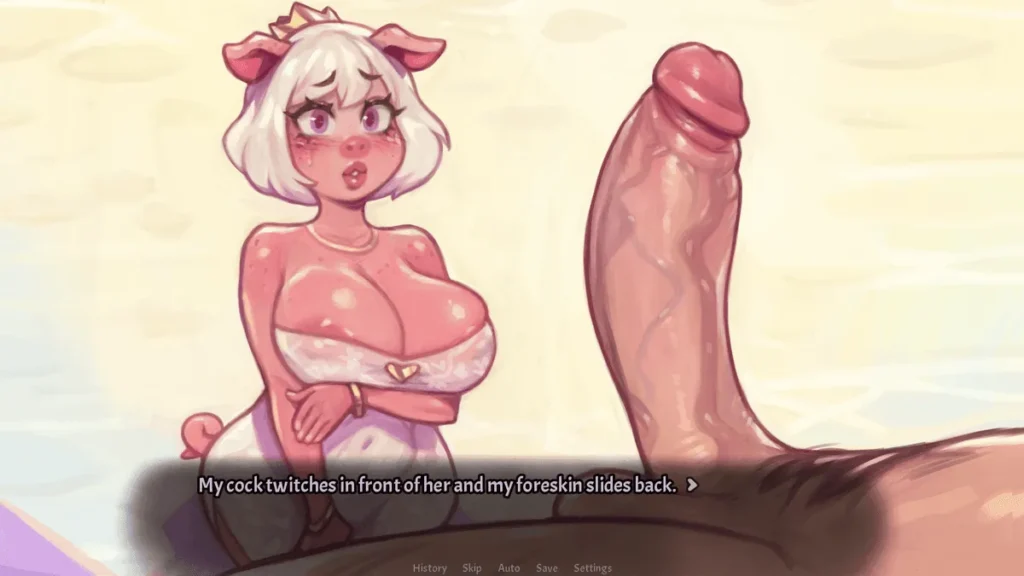
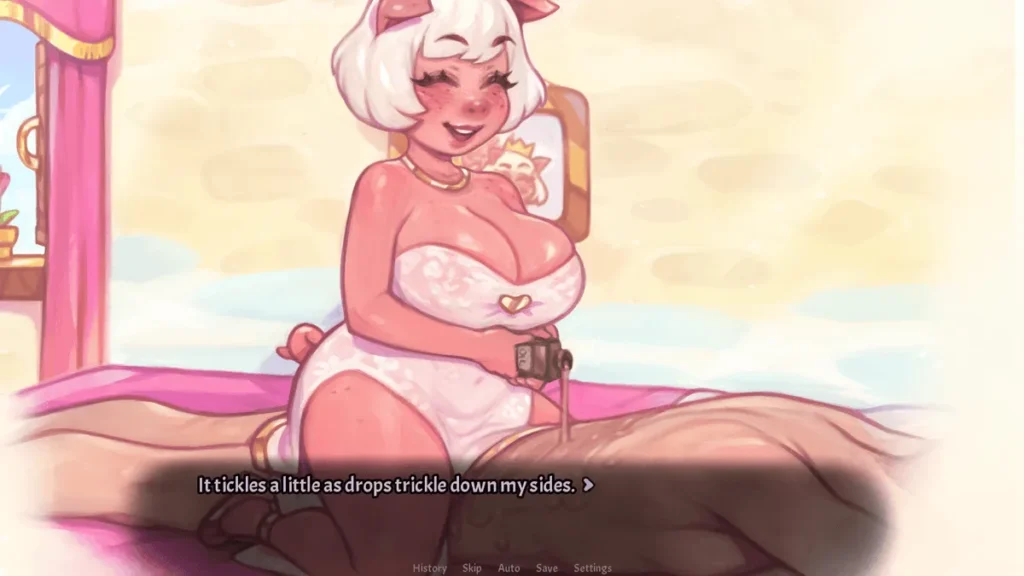
From the very first frame, My Pig Princess announces itself as something special. We’re not talking about merely competent sprites and backgrounds; we’re talking about a living, breathing world painted with intention and emotion. The visual novel artwork quality here is the cornerstone of the entire experience, doing far more than just illustrating the text—it elevates it.
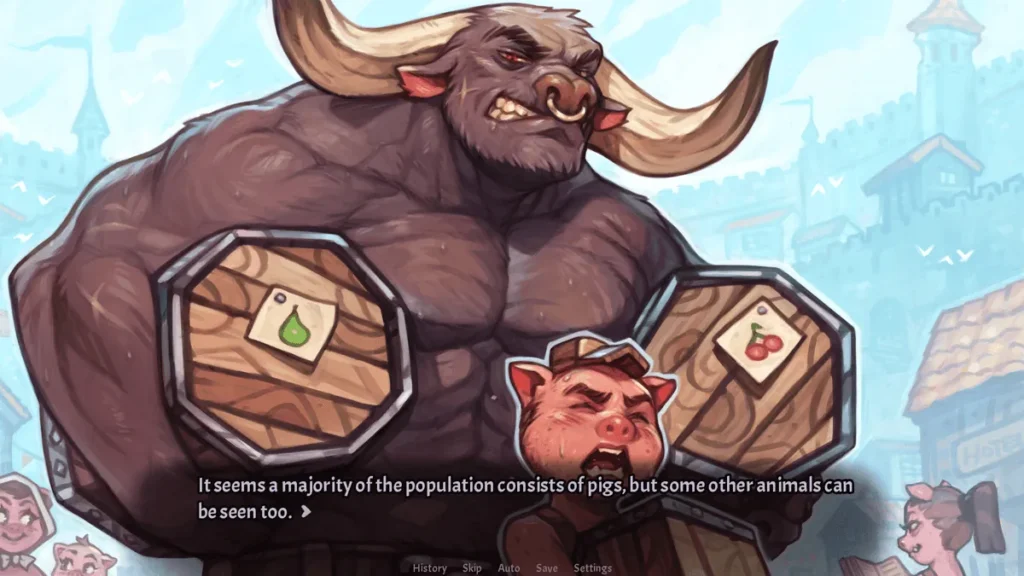
I remember the first time the protagonist, Leo, walked into the royal gardens of Avalon. The screen didn’t just change; it bloomed. Sunlight filtered through meticulously detailed cherry blossoms, each petal seeming to flutter independently. The water in the fountains had a realistic shimmer, and the play of light and shadow across the stone paths created a sense of depth I rarely see. It wasn’t a static background; it was a place I wanted to step into. This attention to environmental storytelling is constant, making every location—from the cozy, book-filled royal library to the bustling, magical market squares—a character in its own right.
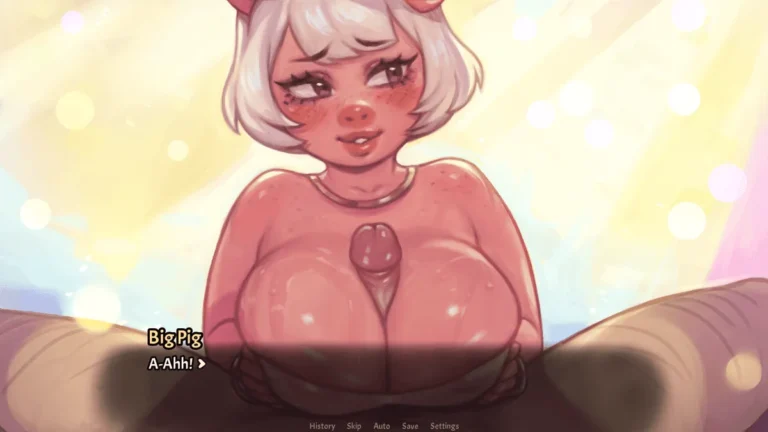
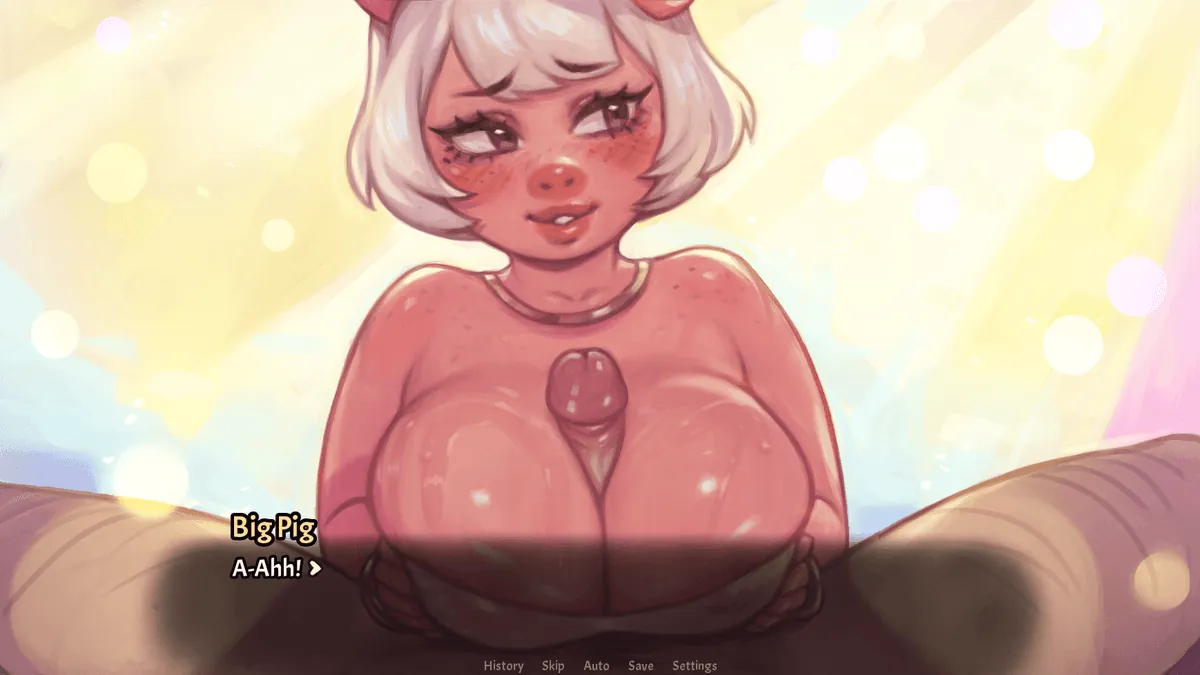
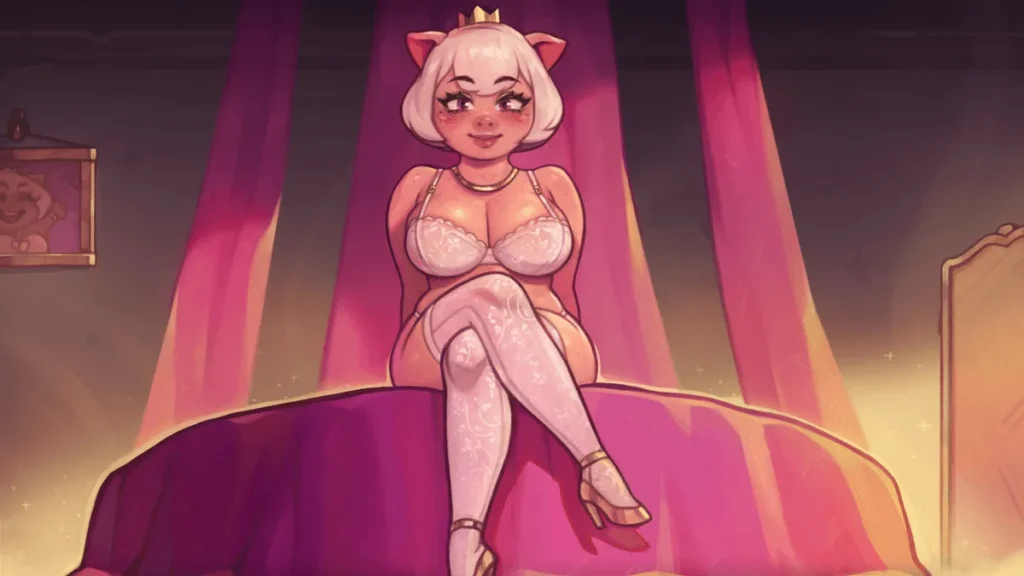
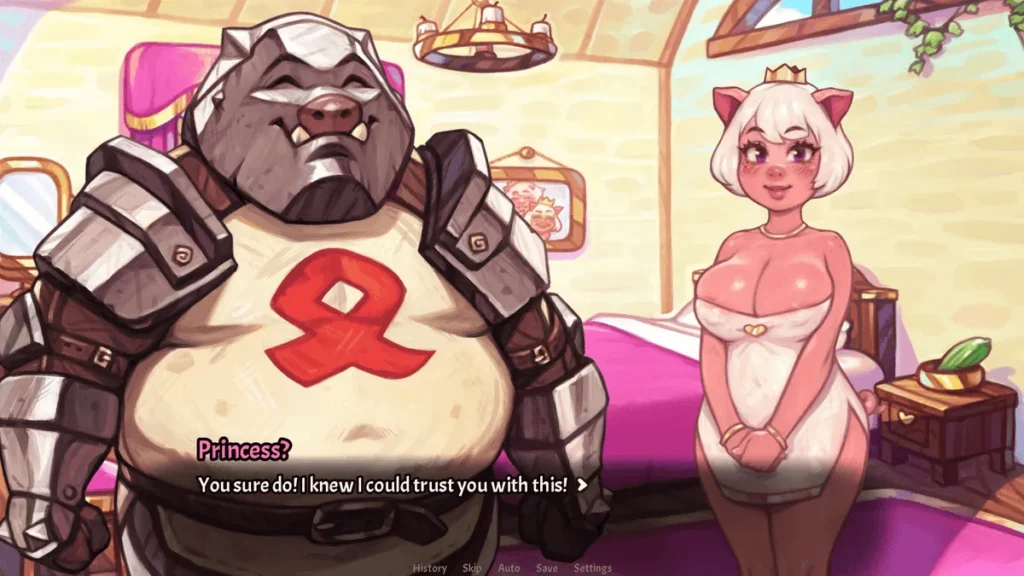
The true stars, of course, are the My Pig Princess characters. Character designer Clara Wren (a legend in the industry) has outdone herself. Each character’s design is a narrative device. Take Emelie, our titular pig princess. Her initial design, while charming, carries subtle hints of her curse and her isolation—a slightly downturned posture, a wardrobe that seems to hide rather than adorn. As her story progresses, subtle changes in her expressions, her stance, and even the sparkle in her eyes mirror her internal journey. You can see her confidence growing before the text even mentions it.
The subtle shift in a character’s eye expression during a key confession scene told me more about their vulnerability than any dialogue could. It’s that level of artistic detail that makes My Pig Princess unforgettable.
This extends to every character. The mischievous glint in the sorcerer Kael’s eyes, the gentle warmth that seems to radiate from the loyal knight Seren’s sprite, the calculating sharpness in the chancellor’s gaze—all are communicated through stunning, high-resolution artwork. The CGs (special illustrated scenes) are museum-worthy. I found myself using the screenshot function constantly, not just to capture romantic moments, but to save beautiful compositions of a sunset over the castle or a quiet moment of reflection. The art team understands that visual novel artwork quality is about creating a consistent, immersive mood, and they have delivered a world that feels both fantastical and tangibly real. 🖼️✨
Character Development and Story Progression
If the artwork is the heart of My Pig Princess, then its narrative and characters are the soul. This is where the My Pig Princess gameplay features truly shine, moving beyond simple branching dialogues into a sophisticated system of character development in visual novels. The game avoids the common pitfall of archetypes, instead presenting individuals with complex motivations, flaws, and evolving personalities.
Let’s talk about Emelie, as her journey is central. Without spoiling too much, her curse is more than a plot device; it’s a profound metaphor for self-acceptance and the weight of expectation. When I first met her, she was bristly, defensive, and shrouded in royal melancholy. My initial choices, which I made thinking I was being charming or helpful, sometimes backfired because I wasn’t listening—I was just selecting options. The game challenged me to engage with her character, not a romance route. This is the genius of the visual novel story progression. Your decisions don’t just add points to a hidden “affection” meter; they shape conversations, unlock unique inner monologues for Leo, and alter how other characters perceive you.
One playthrough, I focused on challenging Emelie’s secluded worldview, leading to fiery debates but also breakthroughs in understanding her fears. In another, I took a softer, more supportive approach, which unlocked different scenes of vulnerability. The My Pig Princess characters don’t exist in a vacuum. Your relationship with Kael, for instance, directly impacts how Emelie views magic and her own curse. Helping the townsfolk in side quests isn’t filler; it builds Leo’s reputation, which opens up new dialogue options with the castle staff and nobility later on. The visual novel story progression feels organic, where your actions have believable ripple effects.
The pacing is deliberate. It takes time to unravel the political intrigue surrounding the kingdom and the deeper mystery of the curse. Some players have offered constructive feedback that certain relationship milestones can feel slow, wishing for more immediate payoffs. However, I found this patience to be a strength. The slow burn makes the emotional climaxes devastatingly powerful. When a confession or a moment of trust finally happens, it feels earned by both the characters and the player. This commitment to authentic character development in visual novels is what cements its story as a standout, making the journey with these characters feel personal and profoundly satisfying. 📖💖
| Feature | My Pig Princess | Typical Visual Novel Standard |
|---|---|---|
| Artwork Integration | Art actively reflects character emotional states & plot progression (e.g., changing backgrounds, subtle sprite adjustments). | Static character sprites and backgrounds, with change only for major events or CGs. |
| Choice Impact | Decisions influence world-state, side character interactions, and multiple character arcs simultaneously, not just one relationship. | Choices typically funnel into a single character’s route with limited broader impact. |
| Character Growth System | Uses a “Persuasion & Perception” system where player stats unlock deeper narrative layers and alternative conflict resolutions. | Relies on simple affection points or binary “good/bad” decision trees. |
| Pacing & Narrative Depth | Prioritizes slow-burn, politically and emotionally complex storytelling with layered mysteries. | Often focuses on quicker romantic or dramatic payoffs with simpler core plots. |
Community Reception and Player Feedback
Since its release, the chatter around My Pig Princess in forums, on social media, and in review spaces has been overwhelmingly positive, with a common thread: this game respects its players. It’s frequently cited as a prime example of the best visual novels 2026 will be remembered for, not just for its technical achievements but for its emotional impact.
The storytelling ambition is the most praised aspect. Players consistently highlight how the narrative avoids clichés, presenting a fairy tale that feels both classic and wholly original. The depth given to side characters is a recurrent highlight; you won’t find a single forgettable NPC in Avalon. Many have shared stories of how they became unexpectedly invested in the subplot of a minor knight or a shopkeeper, thanks to the rich writing and visual novel artwork quality that makes everyone feel real.
A testament from a longtime fan on the game’s official Discord encapsulates this sentiment perfectly:
“I’ve played visual novels for over a decade, and My Pig Princess ruined me for others. The way the art and writing are in perfect sync, how every character feels like they have a life beyond the protagonist’s view… It’s not just a game; it’s a piece of storytelling art. I laughed, I cried, and I genuinely felt like my choices mattered.”
This feedback aligns with my own experience. The community’s love is deep, but it’s also discerning. Constructive discussions often center on the desire for even more: more scenes with certain character pairings, more exploration of the kingdom’s rich lore, and expansions on the My Pig Princess gameplay features, like the alchemy or political intrigue systems. This isn’t criticism born of disappointment, but of immense satisfaction and a hunger for further immersion in this world.
The developers have been actively engaging with this feedback. The game is technically “complete,” but they have announced a series of substantial free updates, dubbed the “Avalon Chronicles,” slated to roll out over the next year. These promise to address player desires directly, including new side stories focusing on fan-favorite characters, expanded endings, and additional interactive My Pig Princess gameplay features like a more robust castle management mini-game. This commitment to post-launch support has only strengthened the bond between the creators and the community, fostering a sense that this world is still growing.
In the crowded landscape of interactive fiction, My Pig Princess visual novel distinguishes itself by aiming higher and landing its ambitions with grace. It proves that exceptional visual novel artwork quality can be narrative, that character development in visual novels can be transformative, and that a visual novel story progression can be both intricate and deeply personal. It’s more than a collection of pretty pictures and branching text; it’s a heartfelt, beautifully crafted journey that stays with you long after the credits roll. If you’re looking for a game that will redefine your standards for the genre, your search ends here. 👑🐷
My Pig Princess has established itself as a notable entry in the visual novel genre through its commitment to artistic excellence and narrative depth. The game’s gorgeous artwork, combined with thoughtful character development and ambitious storytelling, has resonated with players who appreciate quality in both presentation and substance. While the game continues to evolve with updates and new content, it already demonstrates the potential for meaningful character arcs and engaging gameplay experiences. For those interested in visual novels that prioritize both visual appeal and compelling narratives, My Pig Princess offers a compelling experience worth exploring. As the game develops further, it promises to deliver even more content and refined character progression that players have requested.